


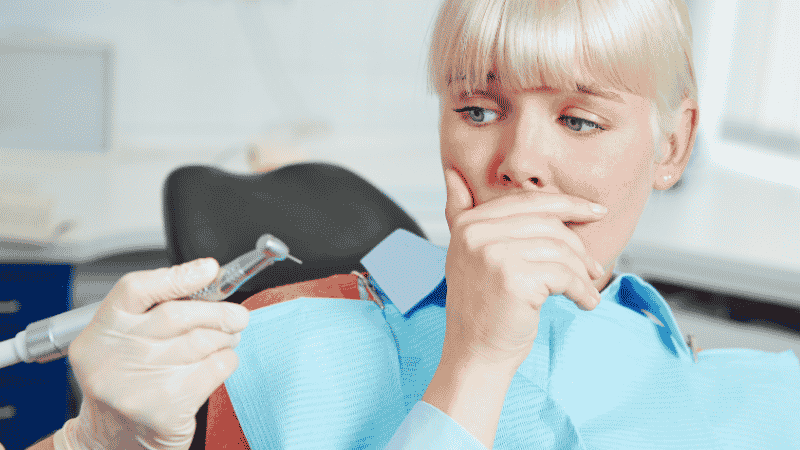
Many people feel nervous about dental visits, but for some, the fear becomes so strong that it keeps them from getting needed care.
Sedation dentistry uses safe medications to help you feel calm and relaxed during dental procedures, making it possible to get the treatment you need without overwhelming fear or discomfort.
If you’ve been avoiding the dentist because of severe dental anxiety or dental phobia, you’re not alone, and some solutions can help.
Your oral health doesn’t have to suffer because of anxiety. Different types of sedation work for different levels of fear, from mild nervousness to intense dental phobia.
Some options keep you awake but deeply relaxed, while others help you rest through the entire appointment with little to no memory of the procedure.
The good news is that sedation dentistry for dental anxiety makes it easier to complete multiple treatments in one visit. This means fewer appointments and less time worrying about your next dental visit.
Whether you need a routine cleaning or more complex work, sedation dentistry can transform your experience from stressful to manageable.
Key Takeaways
- Sedation dentistry helps patients with severe dental anxiety receive comfortable, pain-free sedation dentistry
- Different sedation levels are available to match your specific anxiety and treatment needs
- Using sedation allows dentists to complete more procedures in fewer visits while keeping you relaxed
Table of Content
- Understanding Severe Dental Anxiety and Its Impact
- How Sedation Dentistry Works for Anxious Patients
- Types of Sedation Used in Dentistry
- Benefits of Sedation Dentistry for Severe Dental Anxiety
- Choosing the Right Sedation Option for Your Needs
- Frequently Asked Questions
Understanding Severe Dental Anxiety and Its Impact
Dental anxiety exists on a spectrum from mild nervousness to intense fear that stops people from getting care.
The reasons behind your fear can vary widely, but the result is often the same: delayed treatment that leads to bigger problems down the road.
Difference Between Dental Anxiety, Fear, and Phobia
Dental anxiety is the most common form. You might feel worried or uneasy before your appointment, but you can still go through with it. Your heart might race a bit, or you might feel tense in the waiting room.
Dental fear is stronger. It creates a sense of dread that makes you want to cancel or postpone your visit. You might have sweaty palms or feel sick to your stomach when you think about sitting in the dental chair.
Dental phobia is the most severe form. This is an overwhelming terror that causes you to avoid dental care altogether. People with dental phobia often know their fear isn’t logical, but they can’t control it.
They might go years without seeing a dentist, even when they’re in pain.
Common Causes of Dental Anxiety
Past bad experiences are one of the biggest triggers for fear of the dentist. Maybe you had a painful procedure as a child, or a dentist who wasn’t gentle or understanding.
Needle phobia affects many patients. The sight of needles or the thought of numbing injections can cause panic, even before any actual dental work begins.
Feeling helpless or out of control also feeds anxiety. When you’re lying back in the chair with someone working in your mouth, you can’t see what’s happening or easily communicate.
Some people are sensitive to sounds and smells. The drill noise, the clinical smell, or even the bright lights can trigger severe dental anxiety. Fear of embarrassment about the condition of your teeth can also keep you away.
Consequences of Avoiding Dental Care
When you skip dental visits, small problems turn into big ones. A tiny cavity that could have been fixed with a simple filling becomes a root canal. Early gum disease that just needed a cleaning progresses to infection and tooth loss.
Your oral health affects your whole body. Untreated dental infections can spread and lead to serious health complications. Gum disease has been linked to heart disease, diabetes complications, and other conditions.
The longer you wait, the more expensive and complicated treatment becomes. What could have been a quick fix now requires multiple appointments and procedures.
Your confidence suffers too. When your teeth hurt or look bad, you might stop smiling or avoid social situations. This impacts your relationships and quality of life in ways that go far beyond your mouth.
The Role of Anxiety Management
Managing dental anxiety starts with finding a dental team that understands your fears. When your dentist knows what triggers your anxiety, they can adjust their approach to make you more comfortable.
Communication is key. Let your dentist know about your concerns before treatment starts. Work out a signal you can use if you need a break during the procedure.
Relaxation techniques like deep breathing or listening to music can help with mild anxiety. But for severe cases, these methods often aren’t enough on their own.
That’s where sedation dentistry comes in. It gives you a way to get the care you need without the overwhelming stress that has kept you away.
How Sedation Dentistry Works for Anxious Patients
Sedation dentistry uses medications to help you relax during dental appointments, allowing you to receive necessary care without overwhelming fear.
Your dentist will assess your anxiety level and recommend the right sedation technique based on your needs and the procedure planned.
What is Sedation Dentistry?
Sedation dentistry uses medication to help you feel calm and comfortable during dental procedures.
It’s different from local anesthesia, which only numbs pain in a specific area. Sedation affects your entire body and mind to reduce anxiety.
You have several options available. Nitrous oxide, also called laughing gas, is the mildest form and wears off quickly. Oral sedation involves taking a pill before your appointment to help you relax.
IV sedation delivers medication through a vein for deeper relaxation. General anesthesia puts you completely to sleep, though this is reserved for complex procedures or extreme cases.
Most sedation techniques keep you awake but deeply relaxed. You’ll still be able to respond to your dentist’s instructions, but you may not remember much about the procedure afterward.
How Sedation Eases Severe Anxiety and Dental Phobia
Dental sedation works by affecting the parts of your brain that control fear and stress responses. The medications used in sedation techniques slow down these signals, helping you feel peaceful instead of panicked.
This makes it possible to get through procedures that might otherwise feel impossible.
Sedation dentistry helps reduce anxiety by creating a buffer between you and the dental experience. If you have severe dental phobia, even sitting in the dental chair can trigger physical symptoms like rapid heartbeat, sweating, or nausea.
Sedation calms these reactions.
The benefits of sedation dentistry extend beyond just managing dental anxiety during the appointment. When you have positive experiences with sedation, you may feel less fearful about future visits.
This helps break the cycle of avoidance that often leads to worsening oral health problems.
Indications for Sedation in Dentistry
Your sedation dentist may recommend dental sedation if you have a history of avoiding dental care due to fear. This is especially important if you need extensive work that has been delayed for years.
Catching up on neglected dental health often requires multiple procedures, which sedation can make manageable.
Sedation in dentistry benefits patients who have physical challenges alongside anxiety. If you have a sensitive gag reflex that makes dental work difficult, sedation helps suppress this response.
You might also need sedation if you have trouble sitting still for long periods or if you can’t get numb easily with regular anesthesia.
Other reasons include past traumatic dental experiences, fear of needles or drilling sounds, or special needs that make traditional dental care challenging.
Children with severe anxiety may also be candidates for certain sedation options.
Consultation and Anxiety Assessment

Before receiving any sedation, you’ll meet with your dentist to discuss your medical history and anxiety concerns.
Your dentist needs to know about your medications, allergies, and health conditions to choose the safest sedation option for you. Be honest about your fear level and what specifically triggers your anxiety.
During this consultation, your dentist will explain how sedation dentistry works and what you can expect.
They’ll review preparation instructions, such as fasting requirements for certain sedation types. You’ll also learn about what happens during and after the procedure.
Your dentist may use an anxiety scale to measure your fear level. This helps them determine whether you need minimal, moderate, or deep sedation.
They’ll also discuss the specific dental work you need and how long it will take, which affects the type of sedation recommended.
Types of Sedation Used in Dentistry
Dentists offer several sedation options to help you feel comfortable during procedures, ranging from mild relaxation with nitrous oxide to deeper sedation with IV medications.
The right choice depends on your anxiety level, the length of your procedure, and your overall health.
Nitrous Oxide (Laughing Gas)
Nitrous oxide is the mildest form of sedation dentistry and one of the most popular options for nervous patients. You breathe in this colorless, odorless gas through a small mask that fits over your nose.
The effects start within minutes. You’ll feel relaxed and slightly lightheaded, but you’ll stay fully awake and able to respond to your dentist.
One major benefit is that laughing gas wears off quickly. You can usually drive yourself home after your appointment. Your dentist controls the level of sedation throughout your procedure by adjusting the gas mixture.
This type of sedation works well for mild to moderate anxiety. It’s also safe for children and adults alike. Some people experience slight nausea, but side effects are rare.
Oral Sedation: Medications Like Diazepam and Halcion
Oral sedatives come in pill form that you take before your dental appointment. Common medications include Halcion, Valium (diazepam), and other similar drugs that help you relax.
You’ll typically take the pill about an hour before your procedure. The medication makes you drowsy and calm, though you’ll still be awake enough to follow instructions. Some patients become so relaxed they don’t remember much about the procedure.
Common oral sedation drugs include:
- Halcion – Creates moderate sedation and reduces memory of the procedure
- Valium (diazepam) – Provides mild to moderate relaxation
- Midazolam – Often used for its quick action and amnesia effects
You’ll need someone to drive you to and from your appointment since the effects can last several hours. The level of sedation depends on the dose your dentist prescribes.
This option works well if you have moderate anxiety or need a longer procedure.
IV Sedation and Conscious Sedation
IV sedation delivers sedation drugs directly into your bloodstream through a small needle in your arm or hand. This method allows your dentist to adjust your sedation level quickly during the procedure.
With conscious sedation, you enter a deeply relaxed state but can still respond to questions and instructions. Many patients feel like they’ve taken a short nap and remember little about their treatment.
Midazolam is frequently used for IV sedation because it works quickly and provides good anxiety relief. Your dentist monitors your heart rate, blood pressure, and oxygen levels throughout the entire procedure.
You’ll need to arrange transportation home since the effects take time to wear off completely. Most people feel groggy for a few hours after their appointment.
This sedation option works best for severe dental anxiety or complex procedures that take a long time.
General Anesthesia and Deep Sedation
General anesthesia puts you into a completely unconscious state where you won’t feel anything or have any awareness of the procedure.
This differs from other sedation in dentistry options because you cannot be easily awakened until the medication wears off.
Deep sedation places you on the edge of consciousness. You might respond to repeated stimulation, but you won’t remember the procedure.
These options require special equipment and trained professionals to monitor you closely.
Dentists typically reserve general anesthesia for extensive surgical procedures, patients with severe medical conditions, or those with extreme dental phobias.
You’ll receive the medication through an IV line. Recovery takes longer than with other sedation methods, and you’ll need someone to stay with you for several hours after you get home.
Benefits of Sedation Dentistry for Severe Dental Anxiety
Sedation dentistry offers practical solutions for people struggling with intense fear of dental visits.
These medications help you stay calm during procedures, manage physical challenges like gagging, and make it possible to complete treatments you might otherwise avoid.

Calming Dental Fear and Improving Comfort
Sedation dentistry uses medication to help you manage stress and anxiety during dental procedures. If you experience dental phobia, sedation options can transform an overwhelming experience into a manageable one.
The benefits of sedation dentistry include staying awake and responsive while not noticing pain. You remain conscious but feel deeply relaxed throughout your appointment.
Different sedation levels work for different anxiety types:
- Nitrous oxide makes you feel calm within three to five minutes
- Oral sedation can make you drowsy enough to fall asleep naturally
- IV sedation provides the deepest relaxation for severe cases
Your dentist adjusts the medication level based on your specific needs. This personalized approach means you get exactly the right amount to feel comfortable without being over-medicated.
Overcoming Strong Gag Reflex and Difficulty Sitting Still
A strong gag reflex can make dental work nearly impossible without help. Sedation reduces this reflex so your dentist can work effectively in your mouth.
Benefits of sedation also extend to patients who have difficulty controlling their movements. If you struggle to sit still for long periods, sedation helps your body relax naturally.
People with physical, behavioral, or cognitive challenges often need sedation for safe treatment. The medication allows you to remain comfortable in the dental chair without the urge to move or pull away.
Reducing gag reflex through sedation makes procedures like X-rays, impressions, and deep cleanings much easier. Your dentist can complete necessary work without constantly stopping to let you recover.
Enabling Complex or Lengthy Dental Treatments
Severe dental anxiety often leads to delayed care, which results in more complex problems. When you finally seek treatment, you may need extensive work that takes considerable time.
Sedation makes lengthy procedures like periodontal surgery or multiple fillings possible in one visit. Instead of scheduling several anxiety-filled appointments, you can complete everything while relaxed.
Common lengthy procedures made easier with sedation:
- Root canals
- Dental extractions
- Implant placement
- Full mouth restorations
- Deep cleaning procedures
IV sedation works especially well for complex dental procedures that require extended time in the chair. You won’t remember the procedure afterward, and hours can feel like minutes.
Your dentist can focus on quality work without rushing because you’re anxious. This leads to better treatment outcomes and fewer follow-up appointments.
Enhancing Oral Health and Reducing Appointment Avoidance
When dental fear keeps you from scheduling appointments, your oral health suffers. Small problems become major issues that require more invasive treatment.
Sedation dentistry breaks this cycle by removing the barrier of anxiety. You can attend regular checkups and address problems early when they’re easier to fix.
Better oral health connects directly to your overall health. Untreated dental problems can lead to infections, heart disease, and other serious conditions.
With sedation options available, you have no reason to skip dental appointments. Regular visits prevent cavities, gum disease, and tooth loss that result from neglect.
Many patients find that once they experience sedation dentistry, they feel more confident about future visits. This positive experience helps reduce long-term dental phobia and creates healthier habits.
Choosing the Right Sedation Option for Your Needs
The best sedation method depends on your anxiety level, medical history, and the procedure you need.
Your dentist will help match you with the right option while considering any special concerns like needle phobia and ensuring proper safety measures.
Factors Determining Sedation Level
Your anxiety severity plays the biggest role in choosing sedation options. Mild nervousness during simple cleanings may only need nitrous oxide, while moderate anxiety often calls for oral sedatives taken before your appointment.
Severe dental anxiety typically requires IV sedation or general anesthesia. The length and complexity of your procedure also matters.
A quick filling might need minimal sedation, but multiple extractions or dental implants benefit from deeper sedation.
Your dentist will review your medical history during consultation. Certain health conditions affect which sedation drugs are safe for you. Your age, weight, and any medications you currently take also influence the choice.
Key factors include:
- Level of dental anxiety (mild, moderate, or severe)
- Type and duration of dental procedure
- Previous experiences with sedation
- Current medications and health conditions
- Your personal comfort preferences
Addressing Needle Phobia and Special Concerns
Needle phobia affects many patients and can make IV sedation seem impossible. Your dentist can offer oral sedation as an alternative that doesn’t require needles. You simply take a pill before your appointment.
Some dentists apply numbing gel before giving local anesthesia injections. This makes the needle insertion less noticeable. Nitrous oxide also helps you relax before receiving any injections.
If you have a strong gag reflex, certain sedation methods work better than others. Oral sedatives and IV sedation both help suppress this reflex during treatment.
Patients with special needs or difficulty sitting still benefit from deeper sedation in dentistry. Your dentist can customize the approach based on your specific challenges.
Safety, Monitoring, and Aftercare
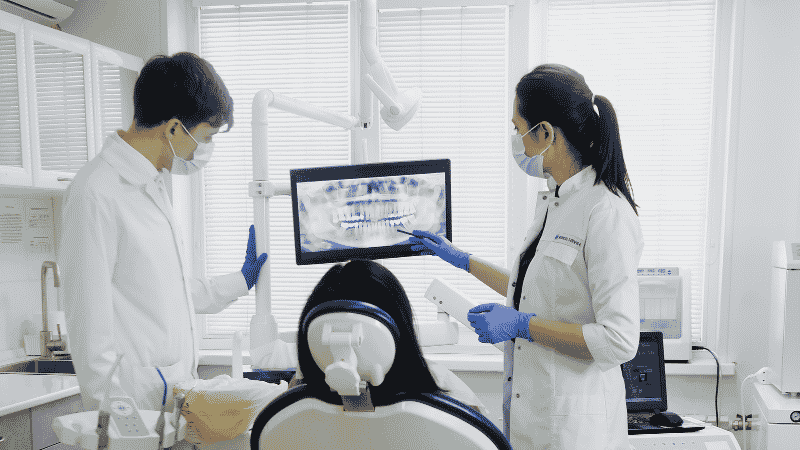
All sedation methods require careful monitoring throughout your procedure. Your dentist tracks your vital signs including heart rate, blood pressure, and oxygen levels.
Deeper sedation levels need more intensive monitoring equipment.
You’ll need to fast before receiving oral sedation, IV sedation, or general anesthesia. Your dentist will give you specific instructions about when to stop eating and drinking.
Plan for someone to drive you home after your appointment. Oral sedatives and IV sedation cause drowsiness that lasts several hours. You shouldn’t drive, operate machinery, or make important decisions until the next day.
Nitrous oxide wears off within minutes, so you can usually drive yourself home. Recovery from deeper sedation takes longer and you may feel groggy for the rest of the day.
Aftercare includes:
- Arranging transportation home
- Following post-procedure eating guidelines
- Resting for the remainder of the day
- Avoiding alcohol for 24 hours
Frequently Asked Questions
Many patients have specific questions about what triggers their fear, how to recognize when anxiety crosses into phobia, and what sedation will actually feel like in the chair.
Understanding preparation steps and knowing which sedation method works best for panic can help you move forward with the dental care you need.
What causes dental anxiety, and why is it so common in adults?
Dental anxiety often starts with a bad experience during childhood. A painful procedure, a dismissive provider, or feeling out of control can leave a lasting impression that makes you avoid the dentist for years.
Fear of pain is one of the biggest triggers. Even if modern dentistry is more comfortable than ever, the memory of past discomfort can make your brain expect the worst.
Embarrassment about the condition of your teeth can also fuel anxiety. You might worry that your dentist will judge you for cavities, gum disease, or years of skipped cleanings.
Loss of control is another common cause. Lying back in the chair with instruments in your mouth can make you feel helpless, especially if you struggle to communicate or ask for breaks.
What are the signs that dental fear may be a true dental phobia?
Dental phobia goes beyond normal nervousness. You might cancel appointments repeatedly, even when you know you need treatment.
Physical symptoms like sweating, rapid heartbeat, or nausea can start days before your scheduled visit. Some people feel dizzy or have trouble breathing just thinking about the dentist.
You may avoid dental care entirely, even when you have pain or visible damage. This avoidance can lead to serious oral health problems that require more invasive treatment later.
If your fear interferes with your ability to get necessary care, it’s worth discussing sedation dentistry for dental anxiety with a provider who understands severe phobia.
What sedation options can a dentist offer for someone with severe dental anxiety?
Nitrous oxide, also called laughing gas, is the mildest option. You breathe it through a small mask, and it helps you feel calm and relaxed while staying fully awake.
Oral sedation involves taking a prescribed medication before your appointment. The pill reduces anxiety and can make you feel drowsy, but you remain conscious and able to respond.
IV sedation delivers medication directly into your bloodstream. Your dentist can adjust the level throughout the procedure, and many patients remember little or nothing afterward.
Different sedation options are matched to how severe your anxiety is and the length of your procedure.
Which type of sedation is usually best for extreme fear or panic during dental visits?
IV sedation is typically the best choice for severe dental anxiety. It works quickly, and your dentist can fine-tune the depth of sedation minute by minute.
You’ll be deeply relaxed but still able to breathe on your own and respond to instructions. Most patients with extreme fear find that IV sedation lets them complete treatment without panic or distress.
Oral sedation can also work well if your anxiety is high but you prefer to avoid needles. The medication takes longer to start working, but it provides hours of calm for longer appointments.
Nitrous oxide alone may not be strong enough for true phobia. However, your dentist can combine it with oral sedation for a layered approach that keeps you comfortable.
What does being sedated at the dentist feel like, and will I be awake during treatment?
With nitrous oxide, you’ll feel light and relaxed, almost like floating. You stay fully awake, can talk with your dentist, and the effects wear off within minutes after the mask is removed.
Oral sedation makes you drowsy and less aware of what’s happening. You might drift in and out, but you’re still conscious and can answer questions or follow simple instructions.
IV sedation creates a deeper state of relaxation. Many patients describe feeling like they took a nap and woke up with the work already done.
You won’t be fully asleep like you would under general anesthesia in a hospital. Instead, sedation dentistry uses safe medications to help you feel calm while your breathing and protective reflexes continue working normally.
How can I prepare for a sedation appointment, and what should I do after the procedure?
Your dentist will give you written instructions about when to stop eating and drinking before your visit. For oral and IV sedation, you’ll typically need to fast for several hours.
Arrange for an adult to drive you to and from the office. You won’t be able to drive yourself home after oral or IV sedation, even if you feel alert.
Wear comfortable, loose-fitting clothing and avoid heavy makeup or jewelry. Let your dentist know about any medications you take or health conditions you have.
After the procedure, plan to rest for the remainder of the day. Avoid making important decisions, operating machinery, or drinking alcohol until the medication has completely worn off.
Someone should stay with you for a few hours to help if you feel unsteady. Follow any post-care instructions your dentist provides, and call the office if you have questions or concerns during recovery.