


Many people worry about pain during dental procedures like root canals and tooth extractions. The good news is that you have several options to stay comfortable during these treatments.
Most root canals and tooth extractions are done with local anesthesia while you remain awake. Still, sedation options like nitrous oxide, oral sedation, and IV sedation are available if you have dental anxiety or need extra help relaxing.
Sedation can help patients relax mentally and physically during dental work, making the experience much easier to manage.
Your dentist will work with you to pick the best approach based on your anxiety level, how long the procedure will take, and your overall health.
Understanding what sedation options are available can help you feel more confident about your upcoming dental work.
Key Takeaways
- You stay awake during most root canals and extractions with local anesthesia, but sedation is available if needed
- Sedation options include nitrous oxide, oral medication, and IV sedation, each offering different levels of relaxation
- Your dentist will recommend the right sedation type based on your anxiety level, procedure length, and personal needs
Table of Content
- Understanding Root Canal Procedures and Tooth Extractions
- Anesthesia and Pain Management in Root Canals and Extractions
- Sedation Dentistry: Options for a Stress-Free Visit
- Managing Dental Anxiety and Dental Fear
- Do You Get Put to Sleep for a Root Canal or Extraction?
- How to Choose the Right Sedation Approach for You
- Frequently Asked Questions
Understanding Root Canal Procedures and Tooth Extractions
Root canals vs tooth extractions are two common dental treatments that address serious tooth problems. Both procedures address different issues, though they sometimes solve similar problems, such as infection or severe decay.
What Is a Root Canal and When Is It Needed?
A root canal is a dental procedure that removes infected or damaged tissue from inside your tooth. The soft tissue inside your tooth, called pulp, can become infected due to deep decay, cracks, or repeated dental work on the same tooth.
During root canal treatment, your dentist or endodontist removes the infected pulp, cleans out the inner chamber, and seals the tooth. An endodontist is a specialist who focuses specifically on root canal therapy and treating tooth pain.
You might need a root canal if you have severe tooth pain, prolonged sensitivity to hot or cold, swelling in your gums, or a pimple-like bump on your gums.
A badly cracked or broken tooth can also require this treatment. Deep decay that reaches the tooth’s inner pulp is one of the most common reasons people need root canal procedures.
The Basics of Tooth Extraction
Tooth extraction means removing a tooth completely from your mouth. This happens when a tooth is too damaged to be saved or causes other problems in your mouth.
Simple extractions remove teeth that are visible above the gum line. Your dentist loosens the tooth and removes it with special tools.
Surgical extractions are more complex and involve removing teeth that haven’t fully emerged or have broken below the gum line.
Common reasons for extraction include severe tooth decay, advanced gum disease, crowding in your mouth, or teeth that are broken beyond repair.
Wisdom teeth often need extraction because they don’t have enough room to grow properly.
Key Reasons for Needing These Dental Treatments
Deep decay is the leading cause for both root canals and extractions. When bacteria penetrate deep into your tooth, it can destroy the pulp and create an infection that spreads to the bone.
Other common reasons include:
- Trauma or injury to the tooth
- Severe gum disease affecting tooth stability
- Repeated dental procedures on the same tooth
- Large fillings that compromise tooth structure
- Cracks or fractures in the tooth
Infections that go untreated can spread beyond your tooth and cause serious health problems. Both procedures stop the infection and prevent it from spreading to other teeth or your jawbone.
How These Procedures Help Save a Tooth
Root canal therapy actually saves your natural tooth instead of removing it. The root canal procedure keeps your tooth in place while eliminating the infection inside.
Keeping your natural tooth helps maintain proper chewing function and prevents neighboring teeth from shifting. Your jawbone stays stronger when natural tooth roots remain in place.
Tooth extraction becomes necessary when a tooth can’t be saved. While this doesn’t preserve the original tooth, it protects your overall oral health by removing the source of infection or pain.
After extraction, you have options like dental implants or bridges to replace the missing tooth.
Your dentist will recommend root canal treatment when possible because saving your natural tooth is usually the best option. Extraction is typically the last resort when other treatments won’t work.
Nervous about a root canal? Get sedation for root canal treatment near you in Inglewood, CA.
Anesthesia and Pain Management in Root Canals and Extractions
Dentists use local anesthesia to numb the treatment area during root canals and extractions, making these procedures comfortable for most patients.
Your dentist can also adjust techniques if you have special needs, like a sensitive gag reflex or trouble getting numb.

Role of Local Anesthesia During Dental Procedures
Local anesthesia numbs your tooth and the surrounding tissue during root canals and extractions. Your dentist injects the anesthetic near the treatment area, which blocks pain signals from reaching your brain.
The numbing effect starts within a few minutes of the injection. You’ll feel pressure and movement during the procedure, but you won’t feel sharp pain. This is normal and doesn’t mean the anesthetic isn’t working properly.
Local anesthetic medications commonly used include:
- Lidocaine
- Articaine
- Mepivacaine
- Bupivacaine
Your dentist picks the right type based on how long your procedure will take. Some anesthetics last 30 to 60 minutes, while others can keep you numb for several hours.
The injection itself might cause a brief pinch or sting, but this discomfort lasts only seconds.
What to Expect in Terms of Discomfort and Numbness
The numbness from local anesthesia typically begins 5 to 10 minutes after your injection. Your lip, tongue, and cheek on the treatment side will feel thick and swollen, though they’re not actually bigger.
You might feel pushing or pulling during your root canal or extraction. This happens because local anesthesia blocks pain but doesn’t eliminate the sensation of touch and pressure.
These feelings are completely normal and don’t indicate that you need more numbing medication.
The numb feeling usually wears off within 2 to 4 hours after your appointment. Avoid eating or drinking hot beverages until the numbness is gone, as you could accidentally bite your cheek or burn your mouth.
Some patients experience mild soreness at the injection site once the anesthetic wears off, but this goes away within a day or two.
How Dentists Handle Sensitive Gag Reflex or Numbing Difficulties
If you have a sensitive gag reflex, your dentist can use special techniques to help you stay comfortable. They might apply a topical numbing gel to the back of your mouth before starting work.
Some dentists also recommend breathing through your nose and focusing on a specific point in the room.
Certain patients don’t get numb easily from standard local anesthetic doses. This can happen if you have an infection, red hair (which is linked to anesthetic resistance), or have built up tolerance from frequent dental work.
Your dentist can give you additional anesthesia or try a different medication type.
Solutions for difficult numbing include:
- Using a stronger concentration of anesthetic
- Injecting in multiple locations around the tooth
- Waiting longer for the medication to take effect
- Adding sedation options like nitrous oxide
Tell your dentist right away if you still feel pain after the numbing injection.
Sedation Dentistry: Options for a Stress-Free Visit
Dental sedation helps you stay calm and comfortable during procedures like root canals and tooth extractions. Your dentist can offer different levels of sedation based on your anxiety level and the complexity of your treatment.
What Is Sedation Dentistry?
Sedation dentistry uses medication to help you feel relaxed during dental procedures. You stay awake and can respond to questions, but you won’t feel anxious or notice pain.
Your dentist might recommend sedation if you have a fear of dental treatment or needles. It’s also helpful if you have a sensitive gag reflex or very sensitive teeth.
People with claustrophobia or difficulty controlling their movements can benefit from sedation, too.
Conscious sedation keeps you in a twilight state where you’re technically awake but deeply relaxed. This approach allows dentists to perform multiple treatments in one visit, which means fewer appointments overall.
You’ll have less stress and can get the care you need without the usual worry.
Nitrous Oxide (Laughing Gas) as a Relaxation Option
Nitrous oxide, commonly called laughing gas, is the mildest form of dental sedation. You breathe it in through a mask or nosepiece that fits over your nose.
You’ll start feeling calm and relaxed within three to five minutes. Your dentist controls how much you receive and adjusts it during your procedure.
When your treatment ends, you’ll breathe pure oxygen through the same mask, which quickly flushes out the nitrous oxide.
The best part is you won’t feel drowsy afterward. You can drive yourself home and return to your normal activities right away. This makes nitrous oxide a popular choice for people with mild anxiety or shorter procedures.
Worried about pain or anxiety? Call our clinic to learn about sedation for root canal options.
Benefits and Considerations of Oral Sedation
Oral sedation involves taking a prescription pill about an hour before your appointment. Your dentist might prescribe Halcion, which is in the same family as Valium. Other options include medications like zaleplon or lorazepam.
This type of sedation can make you feel very sleepy. You might even fall asleep during your root canal or extraction. Your dentist can gently wake you if they need you to open wider or adjust your position.
Key benefits of oral sedation:
- Creates deeper relaxation than nitrous oxide
- Works well for moderate to high anxiety
- Easy to take as a simple pill
- Helps you stay calm through longer procedures
You’ll need someone to drive you to and from your appointment. The effects can last several hours after your treatment ends.
Some people don’t remember much about their procedure, which can be a relief if dental work makes you nervous.
IV and Intravenous Sedation: Deeper Relaxation
Intravenous sedation is the deepest form of conscious sedation available in a dental office. This option works best if you have severe dental anxiety or need a complex procedure that takes a long time.
Your provider inserts an IV line into your arm to deliver medication directly into your bloodstream. They monitor your heart rate and blood pressure throughout the procedure. The dosage can be adjusted instantly based on your needs.
You might fall asleep during your treatment. When you wake up, you typically won’t remember anything about what happened. This makes IV sedation ideal for people who want a completely stress-free experience.
Either an oral surgeon or a dental anesthesiologist provides this level of sedation. You’ll need someone to take you home afterward since the effects take time to wear off completely.
Managing Dental Anxiety and Dental Fear
Many people experience nervousness about dental procedures, ranging from mild worry to intense fear that prevents them from getting needed care.
Understanding your anxiety level and available calming options helps you get treatment while staying comfortable.
Understanding Dental Anxiety and Dental Phobia
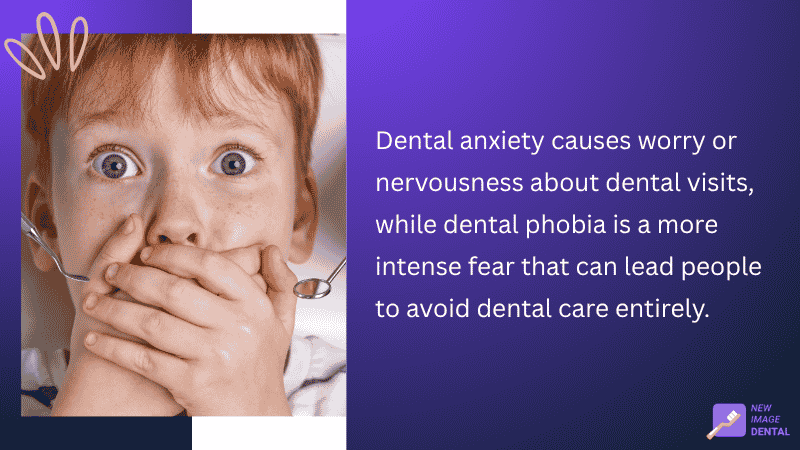
Dental anxiety is a common feeling of unease or worry before and during dental appointments. You might feel your heart race, have sweaty palms, or feel tense in the waiting room.
Dental phobia is more severe than regular anxiety. It’s an intense fear that can cause you to avoid the dentist completely, even when you have serious tooth pain.
People with dental anxiety and phobia may cancel appointments multiple times or skip dental care for years.
Dental anxiety affects a significant portion of the population, leading many to avoid necessary oral healthcare. This avoidance can result in worse dental problems over time that require more extensive treatment.
Common causes of dental fear include past bad experiences, fear of needles, worry about pain, or feeling embarrassed about your teeth.
Some people also feel anxious because they don’t like the sounds of dental tools or feel trapped in the dental chair.
When to Consider Sedation for Your Procedure
You should talk to your dentist about sedation if you have strong fear that keeps you from getting dental work done. Sedation can help patients relax mentally and physically during dental work, allowing them to be more comfortable.
Your dentist may recommend sedation if you:
- Have severe anxiety about dental treatment
- Feel scared of needles used for numbing shots
- Have a sensitive gag reflex that makes treatment difficult
- Need a long procedure like a root canal or extraction
- Have trouble sitting still during dental work
- Experience claustrophobia in the dental chair
Sedation dentistry uses medication to help you relax during procedures. You stay awake and can respond to your dentist, but you feel calm and won’t notice pain.
Tips for Calming Nerves Before and During Treatment
Start by choosing a dentist who understands nervous patients and makes you feel heard. Schedule your appointment for a time when you won’t feel rushed, like early morning, before other stresses build up.
Before your visit, avoid caffeine since it can make anxiety worse. Bring headphones to listen to calming music or a podcast during treatment. This blocks out dental office sounds that might bother you.
Practice deep breathing exercises:
- Breathe in slowly through your nose for four counts
- Hold your breath for four counts
- Breathe out through your mouth for four counts
- Repeat until you feel calmer
During treatment, raise your hand if you need a break. Most dentists will stop and give you time to relax. You can also work with your dentist on evidence-based strategies for relieving anxiety in the dental clinic.
Bring a friend or family member for support if that helps you feel safer. Some people find that squeezing a stress ball during treatment gives them something to focus on besides the procedure.
Do You Get Put to Sleep for a Root Canal or Extraction?
Most root canals and tooth extractions use local anesthesia to numb the area, not general anesthesia that puts you completely to sleep.
However, certain medical situations or complex procedures may require full sedation where you’re unconscious and cannot be easily awakened.
Situations That May Require General Anesthesia
General anesthesia for dental procedures is reserved for specific circumstances. You might need to be completely put to sleep for a root canal if you have severe medical conditions that make conscious sedation unsafe.
Children who cannot cooperate during lengthy procedures often receive general anesthesia. Patients with extreme dental phobias that prevent them from sitting still may also qualify for this deeper sedation option.
Multiple tooth extractions or complicated surgical extractions might require general anesthesia. If you’re having several teeth removed at once or dealing with impacted wisdom teeth, your dentist may recommend being fully asleep.
People with certain developmental disabilities or physical conditions that cause involuntary movements may need general anesthesia. This ensures your safety and allows the dentist to work without interruption.
Comparing Conscious Sedation and General Anesthesia
The main difference between these two options involves your level of awareness. With conscious sedation, you stay drowsy but can still respond to questions and breathe on your own.
General anesthesia makes you completely unconscious.
Key Differences:
| Conscious Sedation | General Anesthesia |
| You can be easily awakened | You cannot wake up until medication wears off |
| You breathe on your own | May require breathing assistance |
| Minimal recovery time | Longer recovery period required |
| Used for routine procedures | Reserved for complex cases |
Most sedation options for dental work involve conscious sedation rather than general anesthesia. You might fall asleep during conscious sedation, but your dentist can wake you if needed.
Safety Considerations and Patient Selection
Not everyone qualifies for general anesthesia during dental procedures. Your dentist evaluates your overall health, medical history, and the complexity of your procedure before recommending full sedation.
Patients with cardiovascular disease need careful evaluation before receiving general anesthesia. If you have liver or kidney problems, these conditions can affect how your body processes anesthesia medications.
Visiting the clinic during pregnancy for the procedure means postponing the treatment that requires sedation when possible. You should tell your dentist about all medications you take, since some drugs interact with anesthesia.
General anesthesia requires specialized equipment and trained personnel to monitor your vital signs. Many dental offices don’t offer this option, so you might need treatment at a hospital or surgical center instead.
How to Choose the Right Sedation Approach for You
Selecting the right sedation method depends on your anxiety level, medical background, and the complexity of your procedure.
Your dental professional will help you weigh these factors to find the safest and most comfortable option.
Consulting with Your Dentist or Endodontist

Your first step is having an open conversation with your dentist or endodontist about your concerns.
They need to know how anxious you feel about the procedure and whether you’ve had difficult dental experiences in the past.
During this discussion, be honest about any medications you currently take. Certain drugs can interact with sedation medications and affect how your body responds to them.
You should also mention any medical conditions like heart problems, breathing issues, or allergies to medications.
If you’re seeking sedation for a root canal, your endodontist will need this information to determine which sedation approach is safest for you.
Don’t hesitate to ask questions about what you’ll feel during the procedure and how long the effects will last. Your dental team is there to help you feel confident about your choice.
Factors That Influence Sedation Recommendations
Your dentist will assess multiple factors when recommending a sedation method. Your anxiety level plays a major role in this decision.
The length and complexity of your procedure matter too. Simple extractions might only need local anesthesia, while longer surgeries often require deeper sedation.
Your medical history is another key consideration. Some health conditions make certain sedation types risky or unsuitable for you.
Personal preferences also count. If you want to stay awake and aware during the procedure, nitrous oxide or oral sedation might work well. If you’d rather not remember anything, IV sedation could be a better fit.
Precautions and Aftercare for Sedated Procedures
Before your appointment, you’ll need to avoid eating or drinking for six hours if you’re receiving IV or deep oral sedation. This prevents food from blocking your airways while sedated.
Plan to have someone drive you home after the procedure. The effects of sedation can last for hours, making it unsafe for you to operate a vehicle.
You should avoid the following activities until the next day:
- Driving or riding a bicycle
- Operating machinery or sharp tools
- Making important decisions or financial transactions
- Drinking alcohol or smoking
- Cooking or using hot appliances
Most people feel drowsy and lightheaded for several hours after sedation. You might also experience a headache, nausea, or dry mouth. These effects are normal and usually go away on their own.
If you receive IV sedation, you may notice bruising where the needle was inserted. This should fade within a few days.
Frequently Asked Questions
Most people want to know about their sedation choices, whether they qualify for it, and what to expect before and after their dental appointment. Safety concerns and recovery time are also common questions patients ask their dentists.
What sedation options are available for dental procedures like root canals and extractions?
You have several sedation choices depending on your needs and the complexity of your procedure. Local anesthesia is the most common option and numbs only the treatment area while you stay fully awake.
Laughing gas, oral sedation, or IV sedation can help if you have dental anxiety. These options keep you in a relaxed, drowsy state but still able to respond to your dentist.
General anesthesia is rarely used for routine dental work. It’s typically reserved for complex cases or patients with special medical needs.
How do I know if I’m a good candidate for sedation during dental treatment?
Your dentist will assess your medical history, anxiety level, and the type of procedure you need. People with severe dental phobias, sensitive teeth, or those undergoing lengthy treatments like root canals often benefit from sedation.
You’ll need to share information about any medications you take and existing health conditions. Your dentist uses this information to determine which sedation method is safest for you.
Some medical conditions may limit your sedation options. Your dentist will work with you to find the best approach for your situation.
Will I be awake during the procedure if I choose sedation?
Most sedation options for dental work involve conscious sedation, which means you stay drowsy but can still respond to questions and breathe on your own. You might fall asleep during the procedure, but your dentist can easily wake you up.
With local anesthesia alone, you remain fully awake throughout the entire procedure. The medication only numbs the area being treated so you don’t feel pain.
General anesthesia is different because you’re completely unconscious. However, this option is uncommon for standard root canals and extractions.
Is dental sedation safe, and what are the most common side effects?
Sedation dentistry is safe when administered by trained professionals. Your dentist monitors your vital signs throughout the procedure to ensure everything goes smoothly.
Common side effects include drowsiness, dry mouth, and slight nausea. These effects are usually mild and go away within a few hours after your appointment.
Some people experience grogginess or feel unsteady on their feet for several hours. Memory of the procedure may also be fuzzy, especially with deeper levels of sedation.
What should I do to prepare for sedation, like eating, drinking, or taking medications?
Your dentist will give you specific instructions based on the type of sedation you’ll receive. For deeper sedation methods, you’ll typically need to avoid eating or drinking for several hours before your appointment.
You should tell your dentist about all medications and supplements you take. Some medications may need to be adjusted or temporarily stopped before your procedure.
Wear comfortable, loose-fitting clothing to your appointment. Avoid wearing jewelry or contact lenses if you’re receiving IV sedation or general anesthesia.
How long will it take to feel normal again after sedation, and can I drive myself home?
Recovery time depends on the type of sedation used. Local anesthesia wears off within a few hours, but you can usually drive yourself home right after the appointment.
You cannot drive after receiving oral sedation, IV sedation, or general anesthesia. You’ll need someone to drive you home and stay with you for several hours.
Most people feel back to normal within 24 hours. You may feel tired or slightly foggy for the rest of the day, so it’s best to take it easy and avoid important decisions or activities.