


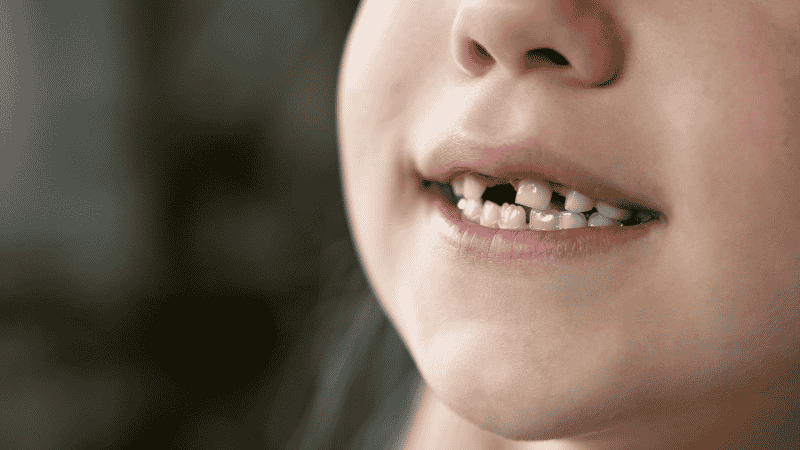
Losing a tooth might not feel urgent at first, especially if it’s in the back of your mouth where no one can see it. You might think you can put off dealing with it until later.
When you delay replacing a missing tooth, your jawbone begins to shrink within months, nearby teeth start shifting into the gap, and your bite alignment can change in ways that affect your entire mouth.
The problems don’t stop there. What happens when you don’t replace a missing tooth goes beyond just appearance. Your oral health takes a hit as the bone loss continues and teeth move out of position.
You may notice changes in how you chew, speak, and even how your face looks over time.
The good news is that tooth replacement options exist even if you’ve been waiting months or years. Understanding the consequences of missing teeth can help you make the right choice for your smile and health.
Key Takeaways
- Delaying tooth replacement causes jawbone loss and teeth shifting that can affect your bite and facial structure
- Missing teeth increase your risk for gum disease and make it harder to chew and speak properly
- Dental implants and other replacement options are still possible even years after tooth loss
Table of Content
- Immediate and Long-Term Effects on Oral Health
- Bite Function, Chewing, and Speech Consequences
- Increased Risk for Gum and Periodontal Disease
- Effects of Delayed Tooth Replacement on Bone and Jaw Structure
- Options for Replacing Missing Teeth and Restoring Function
- Frequently Asked Questions
Immediate and Long-Term Effects on Oral Health
When you delay replacing a missing tooth, changes begin almost immediately and worsen over time.
Your jawbone starts to deteriorate, nearby teeth shift out of position, and your facial structure can change in ways that affect both your appearance and ability to chew properly.
How Missing Teeth Impact Your Smile and Facial Appearance
Your teeth provide important support for your lips and cheeks. When you have tooth loss, this support disappears and your facial muscles start to sag inward.
The area around your mouth may look older or sunken. Your lips might appear thinner because they no longer have the same structure behind them. Changes to your facial structure can make you look years older than you actually are.
A gap in your smile affects your confidence too. You might find yourself covering your mouth when you laugh or smile. Many people with a missing tooth feel self-conscious in social situations or during conversations.
The visible gap becomes more noticeable as surrounding teeth shift. What starts as one missing tooth can turn into a smile that looks uneven or crooked over time.
Risks to Jawbone Health and Bone Loss
Your jawbone needs stimulation from tooth roots to stay healthy and strong. When you lose a tooth, bone resorption begins within just a few months because that area no longer receives pressure from chewing.
The bone can shrink by 25% in width during the first year after tooth loss. This deterioration continues and gets worse the longer you wait. Your jawbone literally dissolves away in the area where the tooth used to be.
Severe bone loss creates problems if you decide to get a dental implant later. You may need bone grafting to rebuild the area before an implant can be placed. This adds extra time, procedures, and cost to your treatment.
The bone loss also affects the stability of nearby teeth. As the bone weakens, your risk of losing additional teeth increases.
Shifting and Movement of Surrounding Teeth
Teeth naturally drift toward empty spaces in your mouth. The teeth next to your gap start tilting and moving within months of tooth loss.
Your teeth opposite the gap also shift. They erupt further out of the gum because they no longer have anything to bite against. This creates bite changes that affect how your upper and lower teeth fit together.
Shifting teeth causes several problems:
- Food gets trapped in new gaps between teeth
- Cleaning becomes harder and increases decay risk
- Your bite becomes uneven and creates jaw pain
- Some teeth wear down faster than others
The movement of surrounding teeth makes difficulty chewing worse over time. You might avoid certain foods or chew only on one side of your mouth.
Speech difficulties can develop too, especially if front teeth shift and create gaps that affect how you form certain sounds.
These alignment problems spread throughout your mouth. What begins as teeth shifting near one gap can eventually affect your entire bite and oral health.
Bite Function, Chewing, and Speech Consequences
When you lose a tooth and don’t replace it, your ability to chew food properly decreases and your speech may change in ways that affect daily conversations. The gap left behind disrupts the balance your teeth need to work together effectively.
Chewing and Digestion Challenges
Your teeth work as a system to break down food into smaller pieces that your stomach can digest easily. When you have a missing tooth, you lose a significant part of that system.
You’ll naturally start avoiding the side of your mouth with the gap, which forces the other side to handle all the chewing work.
This creates several problems. The teeth on your functioning side wear down faster than they should because they’re doing double duty.
You might find yourself struggling with foods you once enjoyed, like crunchy vegetables, nuts, or tough meats. Difficulty eating becomes a daily frustration.
Your digestion also suffers when food isn’t properly broken down. Large, poorly chewed pieces of food are harder for your stomach to process. This can lead to digestive discomfort and means your body may not absorb all the nutrients from your meals as effectively.
Speech Changes and Social Confidence
Teeth play an important role in helping you form certain sounds clearly. When you’re missing teeth, especially front ones, you might notice changes in how you speak. Sounds like “s,” “t,” “th,” and “f” require your tongue to touch your teeth in specific ways.
Without those teeth in place, you might develop a slight lisp or find that words don’t come out as clearly as before. Missing teeth affect speech in ways that can make you feel self-conscious during conversations, presentations, or phone calls.
Many people start covering their mouth when they talk or smile less often to hide the gap. These small changes can affect your confidence in social situations and professional settings.
Delaying replacement only gives you more time to develop these speaking patterns, which become harder to reverse as you get used to compensating for the missing tooth.
Increased Risk for Gum and Periodontal Disease
A missing tooth creates openings in your mouth where bacteria and food particles collect more easily. These gaps make it harder to keep your gums clean and healthy, which raises your chances of developing infections.
How Gaps Lead to Bacterial Build-Up
When you have a gap from a missing tooth, food gets trapped in spaces that are difficult to reach with your toothbrush or floss. This creates the perfect environment for harmful bacteria to grow and multiply.
Plaque builds up faster around the edges of the gap. The bacteria in plaque produce acids that irritate your gum tissue and cause inflammation.
Gaps in your smile are harder to clean properly, which increases your risk of plaque buildup and decay. Your remaining teeth shift toward the empty space, creating new tight spots and odd angles that trap even more bacteria.
These hard-to-reach areas become breeding grounds for germs. The longer you wait to replace your missing tooth, the more bacteria accumulate in these problem areas.
Impacts on Gum Disease and Periodontal Health
A missing tooth creates open spaces where food and bacteria can accumulate, increasing the risk of gum infections in neighboring teeth.
This bacterial buildup leads to gingivitis, which causes your gums to become red, swollen, and prone to bleeding when you brush.
If left untreated, gingivitis progresses to periodontal disease, a serious infection that damages the soft tissue and bone supporting your teeth.
Deep pockets form between your gums and teeth, filling with more bacteria and becoming infected.
Once gum disease sets in, it can further damage the bone and soft tissues supporting your remaining teeth. This creates a cycle where tooth loss leads to gum disease, which then causes additional tooth loss throughout your mouth.
Effects of Delayed Tooth Replacement on Bone and Jaw Structure
Your jawbone needs stimulation from tooth roots to stay healthy and strong. When you lose a tooth and don’t replace it, the bone underneath begins to shrink because it’s no longer getting the pressure it needs from chewing.
Understanding Bone Resorption
Bone resorption starts faster than most people think. Within the first three to six months after tooth loss, your jawbone begins to shrink as it adapts to the missing root. The bone typically thins out on the outer side first before losing height.
This process slows down after six to twelve months, but it never fully stops. Over time, you might notice your jawline looks thinner or your face appears slightly sunken around your mouth.
The changes happen because your jawbone plays a crucial role in maintaining facial balance.
Front teeth show changes faster since they frame your smile. Back molars face deeper shifts because they handle heavier biting forces.
Delaying treatment can lead to bone loss, shifting teeth, bite problems, and gum disease, making future dental work more complicated.
Bone Grafting and Restorative Solutions
If you’ve experienced bone loss, bone grafting can rebuild your jaw to support dental implants. Your dentist may use different materials like allografts, xenografts, or synthetic options to restore bone volume.
Common grafting procedures include:
- Socket preservation – Placing graft material immediately after tooth extraction to prevent bone loss
- Sinus lifts – Adding bone height in the upper jaw for molars
- Ridge augmentation – Rebuilding bone width to support implants
The implant procedure becomes easier when you act early. A bone graft typically takes three to six months to heal before your restorative dentist can place an implant.
Even if it has been years, implants are often still possible with additional steps like bone grafting.
Options for Replacing Missing Teeth and Restoring Function
Modern dentistry offers several proven methods to replace missing teeth and restore your smile’s function. The best choice depends on your budget, bone health, and how many teeth need replacement.
Dental Implants: Gold Standard for Tooth Replacement
Dental implants are widely considered the best long-term solution for replacing missing teeth. The implant procedure involves placing a titanium post into your jawbone, which acts as an artificial tooth root.
This post fuses with your bone over time, creating a stable foundation for a crown.
Unlike other tooth replacement options, implants help prevent bone loss because they stimulate your jawbone just like natural teeth. They look and feel natural, and with proper care, they can last a lifetime.
The implant procedure typically takes several months from start to finish, as your jawbone needs time to heal and bond with the titanium post.
Dental implants provide a durable and natural-looking option that restores both function and appearance. While they cost more upfront than other options, they often prove more economical over time since they rarely need replacement.
Dental Bridges and Partial Dentures
A dental bridge uses your surrounding teeth as anchors to support a replacement tooth. Your restorative dentist will prepare the teeth on either side of the gap, then place a custom-made bridge that literally bridges the empty space.
Dental bridges work well when you have healthy teeth on both sides of the gap.
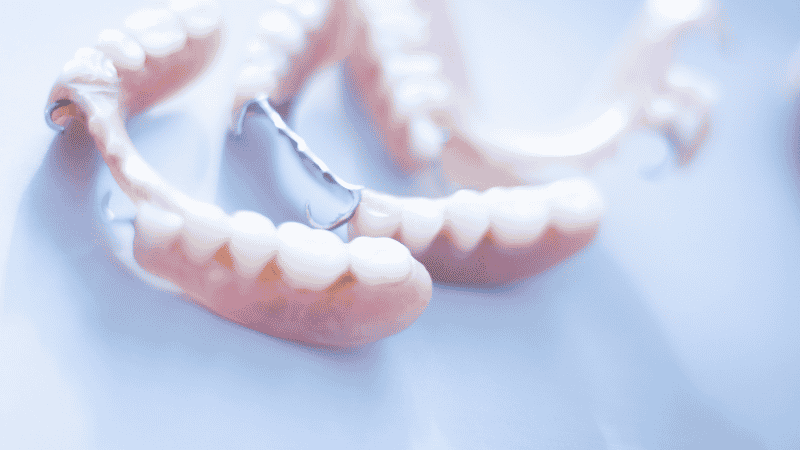
Partial dentures are removable appliances that replace one or more missing teeth. They clip onto your remaining natural teeth and can be taken out for cleaning. Full dentures replace all teeth in your upper or lower jaw.
Both dental bridges and partial dentures cost less than implants and require less time to complete. However, they don’t prevent bone loss and typically need replacement every 5-15 years.
Choosing the Right Solution and Treatment Timeline
Your choice of tooth replacement depends on several factors. Consider your budget, overall oral health, and long-term goals when deciding with your restorative dentist.
Dental implants require sufficient bone density and good overall health. Bridges need strong adjacent teeth to serve as anchors.
The treatment timeline varies by option. Bridges typically take 2-3 weeks, while the implant procedure can take 3-6 months. The importance of replacing missing teeth quickly cannot be overstated, as delays lead to more complications.
Your dentist will examine your mouth, take X-rays, and discuss which tooth replacement options fit your situation best.
Frequently Asked Questions
Many people have questions about timing and health effects when they lose a tooth. Understanding what can happen during different waiting periods helps you make better choices about your dental care.
How long is it safe to wait before replacing a missing tooth?
You should replace a missing tooth as soon as possible. Changes to your jawbone can start within just a few months after tooth loss.
Most dentists recommend beginning the replacement process within three to six months. Waiting longer increases your risk of bone loss and teeth shifting.
If you’ve already waited several months or years, it’s not too late to get treatment. Your dentist can evaluate your specific situation and recommend the best options for you.
What changes can happen to nearby teeth if a gap is left for too long?
The teeth next to your gap will start to shift toward the empty space. This movement can happen gradually over months or years.
Your teeth may also tilt or drift out of their normal positions. When teeth move, they can create new gaps in other areas of your mouth.
These shifts affect more than just appearance. Teeth shifting can change your bite and make it harder to clean between your teeth properly.
Can delaying a tooth replacement cause bone loss in the jaw?
Yes, delaying a tooth replacement leads to bone loss in your jaw. Your tooth roots normally stimulate the jawbone through daily activities like chewing.
Without this stimulation, your body starts to reabsorb the bone tissue in that area. You can lose up to 25% of your jawbone width in the first year after losing a tooth.
This bone loss continues over time and gets worse the longer you wait. Bone loss affects your jawbone strength and can make future dental treatments more complicated.
How might waiting to replace a tooth affect your bite and chewing comfort?
Your bite changes when teeth shift into empty spaces. You may notice that your upper and lower teeth don’t fit together the way they used to.
These bite changes can cause discomfort when you chew. You might favor one side of your mouth over the other or avoid certain foods that are hard to eat.
Bite problems can also lead to jaw pain and headaches. Some people develop issues with their jaw joint from the uneven pressure caused by missing teeth.
Could a long-term missing tooth lead to gum problems or tooth decay in the area?
A missing tooth makes it harder to keep the surrounding area clean. Food particles and bacteria can collect in the gap and along the edges of nearby teeth.
The teeth next to the gap become more vulnerable to decay. Gum disease risk also increases because the shifted teeth create new spaces that trap plaque.
Your gums may recede around the gap over time. This recession exposes more of the tooth roots on adjacent teeth and increases sensitivity.
What are the easiest replacement options if you’ve been missing a tooth for a while?
Dental implants are a popular choice because they replace both the root and crown of your tooth. They help prevent bone loss and feel most like natural teeth.
Dental bridges attach to the teeth on either side of your gap. They’re a faster option than implants and don’t require surgery.
Partial dentures are removable appliances that can replace one or more missing teeth. They’re often the most affordable option and work well if you’ve been missing teeth for several years.
Your dentist will examine your bone density and gum health to recommend the best option for your situation. Early replacement protects your long-term oral health and gives you more treatment choices.