


A beautiful smile can change how you feel about yourself every day. If you’re thinking about improving your smile, you’ve probably heard about veneers and Lumineers as popular cosmetic dentistry options.
Both can fix stained, chipped, or slightly crooked teeth, but they work in different ways.
The main difference between veneers vs Lumineers comes down to thickness and preparation.
Traditional veneers require removing some tooth enamel and offer better coverage for dark stains, while Lumineers are thinner and need little to no tooth preparation, but don’t hide discoloration as well.
Your choice depends on what your teeth look like now and what kind of smile transformation you want to achieve.
Understanding these differences will help you make the right choice for your smile goals. This guide walks you through how each option works, what they cost, how long they last, and which one might be best for your specific dental needs.
Key Takeaways
- Dental veneers require tooth preparation but provide better coverage and a more natural look that lasts 15-20 years
- Lumineers are ultra-thin and need minimal tooth preparation but work best for less severe staining and smaller teeth
- Your dentist can help you choose between veneers and Lumineers based on your tooth condition and cosmetic goals
Understanding Veneers and Lumineers
Both options are thin shells that bond to your teeth to improve their appearance, but they differ in thickness, preparation requirements, and how they’re made.
Traditional porcelain veneers typically involve more preparation, while Lumineers offer a no-prep alternative with different trade-offs.
What Are Veneers?
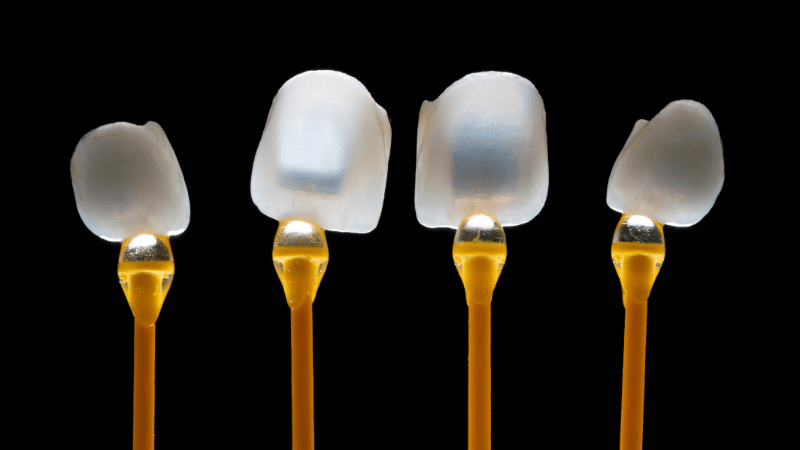
Dental veneers are custom-made shells that cover the front surface of your teeth. They’re designed to fix various cosmetic issues like stains, chips, cracks, or misalignment.
Porcelain veneers are thin shells that permanently bond to your tooth’s front surface. Your cosmetic dentist creates them specifically for your mouth, which helps them look natural.
The preparation process usually involves removing a small amount of tooth enamel. This creates space for the veneer to fit properly without making your teeth look bulky.
You’ll wear temporary veneers for one to four weeks while your permanent ones are being made. These temporaries let you preview how your final smile will look.
Traditional veneers work well for darker stained teeth, heavily damaged teeth, and crooked teeth that need significant correction.
What Are Lumineers?
Lumineers are a specific brand of porcelain veneer made by DenMat Lab in California. They’re often called “no-prep” veneers because they’re ultra-thin, about as thin as a contact lens.
The minimally invasive technique doesn’t require removing enamel in most cases. You won’t need anesthesia shots or temporary veneers during the process.
This makes them appealing if you’re nervous about dental work. However, Lumineers have limitations. They don’t cover dark or discolored teeth as effectively because they’re so thin.
Lumineers are only created by one lab and don’t deviate from their standard design. They work best when you have gaps between your teeth or teeth that are too small. They’re not ideal for crowded or overlapped teeth.
Key Similarities and Differences
Both options serve the same purpose in cosmetic dentistry: improving your smile’s appearance. They both bond to your teeth using similar techniques and can address various aesthetic concerns.
Key differences include:
| Feature | Traditional Veneers | Lumineers |
| Thickness | Thicker | Ultra-thin |
| Prep Required | Usually yes | Minimal to none |
| Enamel Removal | Often necessary | Rarely needed |
| Lifespan | 15-20+ years | Shorter duration |
| Natural Appearance | More natural | Can look bulkier |
| Coverage | Covers dark stains well | Limited for discoloration |
Traditional veneers give your dentist more control over the final shape and balance of your smile. They’re stronger and more durable than Lumineers.
Because porcelain veneers are customized and thicker, they hide imperfections better and typically last longer with proper care.
The Veneers and Lumineers Process
The steps for getting veneers and Lumineers are different, with traditional veneers needing more tooth preparation while Lumineers use a simpler approach.
Both options involve working with a dental lab to create your new smile, but the timeline and comfort level vary.
Porcelain Veneers Procedure Steps
The porcelain veneers procedure typically requires two to three visits to your dentist. During your first appointment, your dentist will examine your teeth and discuss what you want to achieve with your new smile.
The tooth preparation step involves removing a small amount of enamel from the front of your teeth. This enamel removal creates space so the veneers sit flush with your surrounding teeth.
Your dentist uses a local anesthetic to keep you comfortable during this part.
After tooth prep, your dentist takes impressions of your teeth. These molds go to a dental lab where technicians custom-make your veneers to match your desired shape and color. This process usually takes one to four weeks.
You’ll wear temporary veneers made of acrylic while the lab creates your permanent ones. Once ready, your dentist removes the temporaries and bonds the new porcelain veneers to your teeth using special dental cement.
Lumineers Procedure Steps
The Lumineers process is simpler because it requires minimal to no enamel removal from your teeth. Your dentist takes impressions of your natural teeth during your first visit.
These impressions are sent to the specific DenMat lab that makes all Lumineers.
You won’t need anesthetic shots during the procedure since there’s usually no drilling involved. The lab creates ultra-thin Lumineers based on your tooth impressions. This typically takes two to three weeks.
At your second appointment, your dentist bonds the Lumineers directly to your tooth surface. The entire process is often called “no-prep” because your natural tooth structure stays mostly intact.
This makes Lumineers potentially reversible if you change your mind later.
Temporary Veneers and Smile Preview
Temporary veneers serve as a trial run before you get your final porcelain veneers. These acrylic placeholders protect your prepared teeth while the dental lab makes your permanent set.
You’ll need to be careful with hard or sticky foods since temporaries aren’t as strong as the final product.
The temporary set also acts as a smile preview so you can see how your new teeth will look. This lets you request changes to the shape, size, or color before the lab finishes your permanent veneers.
Your dentist can adjust the design based on your feedback during this trial period.
Lumineers usually don’t require temporary veneers since there’s no tooth prep needed. You go straight from your natural teeth to the final Lumineers in just two visits.
Comparing Results and Aesthetics
Both options can transform your smile, but they deliver different aesthetic outcomes. Traditional porcelain veneers typically create more dramatic changes, while Lumineers offer subtle improvements with a thinner profile.

Smile Makeover Potential
Traditional veneers give you more control over your smile transformation. Your cosmetic dentist can reshape teeth more dramatically because the prep work creates space for thicker porcelain.
This means you can change tooth length, width, and overall shape significantly.
Lumineers work well for minor smile makeovers. Since they’re ultra-thin, they add minimal bulk to your teeth. This limits how much your dentist can alter your tooth shape or correct alignment issues.
What each option can fix:
- Traditional veneers: Severe discoloration, large gaps, major chips, crooked teeth, worn enamel
- Lumineers: Light staining, small chips, minor spacing issues, slightly irregular shapes
If you want a complete smile redesign, traditional porcelain veneers usually deliver better results. For subtle enhancements, Lumineers might meet your needs.
Natural Appearance and Customization
Traditional veneers generally produce more natural-looking results because tooth preparation allows for proper depth and translucency.
Your dentist removes a thin layer of enamel, creating room for veneers that mimic natural tooth structure. This depth helps the porcelain reflect light like real teeth.
Lumineers are more translucent than standard veneers. This can look natural on lighter teeth, but your original tooth color shows through more easily. If you have darker teeth, Lumineers may not fully mask the discoloration.
The customization process differs too. Traditional veneers take 2 to 4 weeks to create in a dental lab, allowing for detailed shade matching and shaping. Lumineers follow a similar timeline but with less flexibility in thickness and layering options.
Addressing Tooth Imperfections
Traditional dental veneers excel at hiding serious imperfections. The preparation process removes damaged enamel and creates a fresh surface. Your dentist can cover deep stains, large fractures, and significant wear patterns completely.
Lumineers work best for minor cosmetic issues. Their thin design means they add only about 0.2mm to your tooth surface. This makes them less effective at masking dark spots or covering badly shaped teeth.
Coverage capabilities:
- Deep stains: Veneers provide better coverage
- Small chips: Both options work well
- Tooth size correction: Veneers offer more adjustment range
- Minor gaps: Both can close small spaces
Your specific tooth imperfections will guide which option works better. Severe problems typically need the full coverage that traditional veneers provide.
Durability, Maintenance, and Longevity
Traditional veneers typically last 15 to 20 years with proper care, while Lumineers have a shorter lifespan due to their thinner design. Both options require regular maintenance to keep your smile looking its best.
Expected Lifespan
Traditional porcelain veneers can last 15 to 20 years or even longer when you take good care of them. The thickness and durability of these veneers make them a strong investment in your smile.
Lumineers don’t last quite as long. Because they’re thinner than traditional veneers, they’re more prone to chipping or breaking over time.
Your cosmetic dentistry results depend partly on how well you maintain them. Regular dental checkups help catch any issues early. The quality of the bonding process at your dental clinic also affects how long your veneers will last.
If you grind your teeth at night, wearing a mouthguard protects both types of veneers from damage. This simple step can add years to your investment.
Stain Resistance and Care
Traditional porcelain veneers are highly stain-resistant. The porcelain material doesn’t absorb stains the way natural tooth enamel does, so your smile stays bright.
Lumineers stain more easily than traditional veneers. Their thinner construction makes them less resistant to discoloration from coffee, tea, red wine, and other staining foods.
You should brush twice daily and floss regularly regardless of which option you choose. Use a non-abrasive toothpaste to avoid scratching the surface of your veneers.
Avoid biting hard objects like ice or pen caps. These habits can damage both types of veneers, but Lumineers are especially vulnerable due to their delicate nature.
Protecting Your New Smile

Visit your dental clinic every six months for professional cleanings and checkups. Your dentist can spot potential problems before they become serious.
A nightguard protects your veneers if you grind or clench your teeth while sleeping. This habit puts excessive pressure on your veneers and can cause them to crack or come loose.
Avoid using your teeth as tools to open packages or bottles. Traditional veneers are stronger than Lumineers, but neither option is designed to handle these forces.
Limit foods and drinks that stain teeth, especially if you have Lumineers. When you do consume them, rinse your mouth with water afterward to minimize staining.
Costs, Candidacy, and Choosing the Best Option
Price differences between these two options can influence your decision, along with whether your teeth are suitable for either treatment. Working closely with the right dental professional helps you pick what works best.
Lumineers Cost Versus Veneers Cost
Both options require a significant investment in your smile. Traditional porcelain veneers typically range from $900 to $2,500 per tooth, while Lumineers cost between $800 and $2,500 per tooth.
Lumineers can be slightly less expensive in some cases. The lower price often relates to the simpler preparation process that requires less chair time.
Keep in mind that neither option is usually covered by insurance since they’re cosmetic procedures. If a veneer needs replacement later, you’ll pay for that out of pocket too.
The total cost at your dental clinic will vary based on your location and how many teeth you want to treat.
Who Makes an Ideal Candidate?
Your current tooth condition determines which option suits you better. Lumineers work best if you have smaller teeth or gaps between your teeth that you want to close.
Traditional veneers handle darker or heavily stained teeth more effectively because they’re thicker. If your teeth are crowded, overlapped, or very crooked, Lumineers usually won’t give you good results.
You’re a better candidate for Lumineers if you want to avoid enamel removal and don’t have major discoloration. People who are nervous about dental work, especially anesthesia shots, often prefer the no-prep approach.
However, if you want the most natural-looking result that lasts longest, traditional porcelain veneers are usually the better choice.
How to Work With Your Cosmetic Dentist

Finding the right cosmetic dentist makes a huge difference in your results. Ask to see before and after photos of previous patients who received both veneers and Lumineers.
Your dentist should examine your teeth and discuss what outcome you’re hoping to achieve. Be honest about your budget, your concerns about dental procedures, and how natural you want your smile to look.
Talk about whether you want to preserve your enamel or if you’re willing to go through more prep work for better results.
A skilled professional will explain which option gives you the best combination of appearance, durability, and function based on your specific teeth.
Frequently Asked Questions
People considering cosmetic dental work often have similar concerns about the process, results, and long-term effects. Understanding the practical differences helps you make a choice that fits your budget and smile goals.
What’s the main difference between traditional veneers and Lumineers?
The biggest difference is thickness and preparation. Traditional porcelain veneers are thicker shells that usually require your dentist to remove some tooth enamel before placement.
Lumineers are ultra-thin veneers made by one specific lab that are often thin enough to apply without removing enamel.
Traditional veneers give your dentist more control over the final result. They can reshape and adjust your teeth during preparation to create better balance and alignment.
Lumineers follow a standard design from a single manufacturer. This limits customization but makes the process faster and less invasive.
Which option looks more natural for everyday smiling and speaking?
Traditional porcelain veneers typically provide more natural-looking results because the preparation process allows for proper depth and translucency. The thickness lets your dentist mask discoloration better and create shapes that blend with your natural teeth.
Lumineers can sometimes look bulkier or thicker on your teeth. Since they’re placed on top of your natural teeth without much preparation, they add extra thickness that may create a less natural appearance.
The final look depends partly on your starting point. If you have well-aligned, lightly stained teeth, Lumineers might work fine for you.
Do Lumineers require less tooth shaving than traditional veneers?
Yes, Lumineers are marketed as a “no-prep” option. In most cases, your dentist won’t need to remove enamel or use anesthesia shots during the process.
Traditional veneers usually require some enamel removal to make room for the veneer shell. This prevents your teeth from looking too bulky after placement. Your dentist will numb the area during this process.
The amount of preparation needed can vary based on your teeth and desired outcome. Some cases might need minimal prep even with traditional veneers, while others require more extensive work.
How long do Lumineers typically last compared to traditional veneers?
Traditional veneers generally last longer than Lumineers. Well-maintained porcelain veneers can last 15 to 20 years or even longer with proper care.
Lumineers don’t last as long because they’re thinner and more fragile. They’re more prone to chipping or breaking over time and tend to stain easier than traditional veneers.
Your daily habits affect how long either option lasts. Avoiding hard foods, not using your teeth as tools, and maintaining good oral hygiene helps extend their lifespan.
What do traditional veneers usually cost, and what factors affect the price?
Porcelain veneers typically range from $900 to $2,500 per tooth. Lumineers cost between $800 and $2,500 per tooth, making them sometimes less expensive but not always.
Location affects the price significantly. Dentists in major cities or upscale areas often charge more than those in smaller towns.
Your dentist’s experience and the complexity of your case also impact cost. Neither option is usually covered by insurance since they’re considered cosmetic procedures.
What happens to your teeth after having veneers for 10 to 20 years?
Your veneers will eventually need replacement. After 15 to 20 years, the bonding material weakens, and the veneers may crack, chip, or come loose.
If you had traditional veneers, your dentist removed some enamel during the original placement. This means you’ll always need veneers or another restoration on those teeth since the process is permanent.
Your natural teeth underneath continue aging normally. You might experience gum recession over time, which can expose the edges of your veneers or create gaps.
Regular dental checkups help catch problems early so your dentist can plan for replacement when needed.