


A dental crown falling off can happen when you least expect it. You might be eating, brushing your teeth, or just going about your day when suddenly you feel something loose in your mouth.
If your dental crown falls off, stay calm and contact your dentist right away, and keep the crown clean and safe until your appointment.
The good news is that a lost crown is a common issue that dentists handle regularly, and seeking prompt emergency dental crown repair is the best way to protect your tooth.
While it might feel alarming, taking the right steps quickly can prevent further damage.
Your exposed tooth is now vulnerable to bacteria and decay, so knowing what to do in those first few minutes matters.
Whether your crown came off while eating something sticky or it simply loosened over time, you have options for handling this situation.
From temporary fixes you can do at home to understanding when you need emergency dental care, this guide will walk you through everything you need to know to protect your tooth and get your crown back in place.
Key Takeaways
- Contact your dentist immediately when your crown falls off and keep the crown clean until your appointment
- Avoid eating hard or sticky foods on the affected side and use temporary dental cement only as a short-term solution
- Regular dental checkups and proper oral care can help prevent crowns from falling off in the future
Immediate Actions When Your Dental Crown Falls Off
When your dental crown falls off, acting quickly helps protect the exposed tooth and increases the chance of successful reattachment.
Keeping the crown safe and maintaining good oral hygiene around the damaged area are your top priorities until you can see a dentist.
Retrieve and Inspect the Fallen Crown
Pick up your fallen crown as soon as possible and handle it carefully. Look at it closely to check for cracks, chips, or any other damage that might prevent reattachment.
Rinse the crown gently under lukewarm water to remove any debris or food particles.
Don’t use hot water, soap, or harsh cleaners that could damage the crown’s surface or interior. Check the inside of the crown to see if any old cement is still stuck inside.
If you notice the crown is broken or badly damaged, save all the pieces you can find. Your dentist will need to see them to decide if reattachment is possible or if you need a replacement crown.
Clean and Store the Crown Safely
After inspecting your crown, place it in a small container or plastic bag to keep it safe until your dental appointment. A pill bottle or small zip-lock bag works well for storage.
Keep the container in a safe spot where it won’t get lost or accidentally thrown away. Don’t wrap the crown in a tissue or napkin since you might forget about it and toss it in the trash.
Avoid trying to file down or adjust the crown yourself. Any changes you make could prevent your dentist from reattaching it properly. Store the crown at room temperature and keep it dry.
Protect the Damaged Tooth
Your exposed tooth will likely feel sensitive after your crown falls off because the protective layer is gone. Brush the area gently with a soft toothbrush and toothpaste to keep it clean.
Avoid chewing on the side of your mouth where the crown fell off. The damaged tooth underneath is weaker than your other teeth and can break easily under pressure.
Stick to soft foods and chew on the opposite side of your mouth.
Rinse your mouth with warm salt water several times a day to keep the area clean and reduce bacteria. If you feel pain, you can take over-the-counter pain medication according to the package directions.
Temporary Solutions Using Over-the-Counter Dental Cement
You can buy temporary dental cement at most drugstores to hold your crown in place until you see a dentist. This gives you a short-term fix if you can’t get an appointment right away.
Clean both the crown and your tooth thoroughly before applying any cement. Dry the inside of the crown and your tooth as much as possible.
Follow the directions on the temporary dental cement package carefully for the best results.
Apply a small amount of cement inside the crown and press it firmly onto your tooth. Bite down gently to make sure it sits in the right position. Remove any excess cement from around the edges with a clean cloth.
Remember that temporary cement is safe for short-term use but should not replace professional dental care. Call your dentist as soon as possible to schedule an appointment for proper reattachment or replacement.
Need emergency dental crown repair? Contact us right away to protect your tooth and save your crown.
Common Reasons a Dental Crown Falls Out

Dental crowns can become loose or fall off for several reasons, ranging from natural wear over time to underlying tooth problems.
One of the most common causes is decay in the tooth beneath the crown, especially if you are prone to cavities, and bacteria manage to seep in around the edges.
Understanding these causes helps you recognize warning signs and take better care of your crown.
Worn or Failing Dental Adhesive
The cement that holds your dental crown in place doesn’t last forever. Over time, the adhesive can weaken and break down from normal chewing forces and exposure to saliva.
Most dental crowns are attached with strong bonding cement designed to last many years. However, the cement can gradually wear away, especially if your crown is older.
When the bond weakens, your crown may feel loose or wiggle slightly when you touch it with your tongue.
The adhesive can also fail if moisture gets between the crown and your tooth during the original placement. Even a small amount of saliva can prevent the cement from forming a proper bond.
This is why dentists use special tools to keep the area dry during crown placement.
Tooth Decay or Changes Underneath the Crown
Decay beneath the crown is one of the most common reasons a dental crown falls off. When bacteria get under the crown edges, they can cause cavities on the underlying tooth structure.
Your natural tooth remains vulnerable to decay even with a crown on top. If you don’t maintain good oral hygiene around the crown margins, plaque can build up and cause new cavities.
This is why prevention goes beyond brushing and flossing, regular dental checkups are essential to catch hidden issues before they lead to crown failure.
The damaged tooth may also shrink slightly as decay removes tooth structure. This creates gaps between the crown and tooth, which further weakens the bond.
You might notice sensitivity or a bad taste before the crown becomes loose.
Eating Hard or Sticky Foods
Biting down on hard items or eating sticky foods puts extra stress on your dental crown. These foods can pull the crown away from your tooth or break the cement seal.
Ice, hard candies, popcorn kernels, and nuts can create enough force to dislodge a crown. Sticky foods like caramels, taffy, and gummy candies can grab onto your crown and pull it off when you chew.
Even chewing on non-food items like pens or fingernails increases your risk.
Your crown is strong, but it has limits. Repeated stress from hard foods weakens the bond over time.
If you already have an older crown or one with slightly weakened cement, these foods pose an even bigger risk.
Trauma or Injury to the Tooth
Direct impact to your mouth from accidents, sports injuries, or falls can cause your dental crown falls out immediately. Physical trauma can crack the crown, break the underlying tooth, or damage the cement bond.
Teeth grinding or clenching, known as bruxism, creates constant pressure on your crowns. This habit usually happens during sleep, so you might not realize you’re doing it.
The repeated grinding motion gradually loosens the crown over time.
A sudden blow to your face or jaw can also shift your tooth’s position slightly. Even if the tooth doesn’t break, this movement can break the seal between your crown and tooth.
Contact sports and activities without proper mouth protection increase your risk of crown damage from injury.
Dos and Don’ts After a Crown Comes Off
When your dental crown falls off, knowing what actions to take and which ones to avoid can protect your tooth from further damage.
Proper care involves using the right temporary solutions and maintaining good oral hygiene while you wait for your dental appointment.
What to Avoid When Managing a Fallen Crown
Don’t chew on the affected side of your mouth. The exposed tooth is vulnerable and can easily break or chip. Stick to eating soft foods on the opposite side until you see your dentist.
Avoid using super glue or household adhesives. These products contain chemicals that are toxic and can seriously harm your teeth and gums. Only use dental adhesive or temporary dental cement designed specifically for dental use.
Don’t eat hard, sticky, or chewy foods. Items like candy, gum, nuts, and ice can dislodge a temporarily reattached crown or damage the exposed tooth underneath. Even if you feel fine, the tooth is weaker without its protective cap.
Avoid delaying your dental appointment. Without a crown protecting it, your tooth is exposed to bacteria that can cause decay or infection. Schedule a visit with your dentist as soon as possible.
Don’t wait until it gets worse. Book your dental apointment online in Inglewood, CA to get your crown recemented or replaced today.
Optimal Oral Care Until Your Dental Visit
Keep both the crown and exposed tooth clean. Rinse your mouth gently with warm water after meals. You can also clean the inside of the fallen crown with a soft toothbrush to remove any debris.
Use temporary dental cement from your local pharmacy. Apply a small amount inside the crown and carefully place it back over your tooth. Bite down gently to secure it in place.
Brush carefully around the affected area. Continue your normal oral hygiene routine but be extra gentle near the exposed tooth. This prevents bacteria buildup while protecting the sensitive area.
Store your crown safely if you can’t reattach it. Keep it in a small container or plastic bag so you don’t lose it before your dental visit. Your dentist may be able to reuse the same crown.
How Dentists Restore a Dental Crown or Damaged Tooth
When you visit the dentist with a fallen crown, they will examine both your tooth and the crown to decide whether to recement the existing crown or create a new one.
The treatment plan depends on the condition of your natural tooth underneath and whether any decay has developed.
Assessment and Cleaning of the Tooth and Crown
Your dentist will conduct a thorough examination of the exposed tooth and the crown itself. This often includes X-rays to check for hidden damage or decay beneath the surface.
The dentist will inspect the tooth for cracks, fractures, or decay that may have caused the crown to fall off. They’ll also examine whether enough tooth structure remains to support a crown.
The inside of your crown gets checked for damage and cleaned of old cement.
Your exposed tooth will be gently cleaned to remove any debris or bacteria. This step is important because any remaining cement or buildup can prevent proper reattachment.
The dentist will make sure both surfaces are completely clean before deciding on the next steps.
Recementing vs. Replacing the Dental Crown
If both your tooth and crown are in good condition, the dentist can clean and refit the existing crown back into place. They’ll use dental adhesive or permanent dental cement to secure it.
This is the quickest and most affordable option.
However, you’ll need a new crown if the original is cracked, worn, or doesn’t fit properly anymore. The dentist may need to prepare your tooth by filing it down or building it up with filling material.
A temporary crown protects your tooth while the permanent one is being made, which usually takes a few weeks.
Some dental offices offer same-day crowns using advanced technology. This eliminates the need for a temporary crown and multiple visits.
Treating Tooth Decay or Further Damage
If decay has developed under the crown, the dentist must remove it before proceeding. Bacteria can creep under crowns and cause cavities in the remaining tooth structure.
The damaged tooth needs treatment before any crown can be placed.
Your dentist will remove the decayed portion and fill the area.
If the decay is extensive, you might need a root canal to save the tooth. In cases where too little tooth structure remains, the dentist may need to lengthen the tooth or use a post to provide adequate support for the new crown.
The goal is to create a stable foundation that will hold your crown securely for years to come.
Preventing Future Problems With Dental Crowns
Taking care of your dental crown properly can help it last for many years without falling out.
Good oral hygiene habits, smart food choices, and regular dentist visits work together to keep your crown secure and your tooth healthy.
Oral Hygiene for Crown Longevity
Your daily cleaning routine plays a big role in keeping your dental crown in place. Brush your teeth twice a day with fluoride toothpaste, paying special attention to where the crown meets your gum line.
This area can trap food and bacteria that weaken the cement holding your crown.
Floss carefully around your crown at least once per day. Slide the floss gently between teeth rather than snapping it, which could loosen the crown.
Some people find floss threaders or water flossers work well around crowns.
Plaque and tartar buildup around the crown’s edges can lead to decay underneath, which is one of the main reasons a dental crown falls out.
Regular brushing and flossing remove this buildup before it causes problems.
Diet and Lifestyle Adjustments
What you eat affects how long your crown stays secure. Avoid sticky candies, caramel, and taffy that can pull on your crown. Hard foods like ice, popcorn kernels, and hard candy can crack or dislodge crowns when you bite down.
If you grind or clench your teeth at night, ask your dentist about a night guard. Teeth grinding can loosen crowns over time by putting constant pressure on them.
A custom night guard protects both your crown and natural teeth.
Try to chew on both sides of your mouth evenly. Favoring one side puts extra stress on those teeth and their crowns.
Regular Dental Check-Ups and Early Intervention
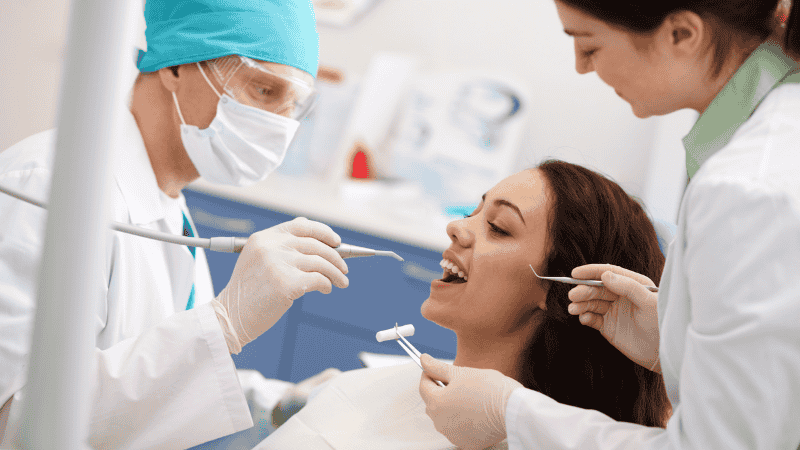
Visit your dentist every six months for cleanings and exams. Your dentist can spot early warning signs that your crown might be at risk, like loose cement or decay starting underneath.
Don’t ignore small problems. If you notice sensitivity, looseness, or discomfort around your crown, schedule a visit right away rather than waiting for it to fall off.
Early treatment is usually simpler and less expensive than emergency care.
Your dentist will check the fit of your crown and the health of the tooth underneath during regular visits. They can re-cement a slightly loose crown before it becomes a bigger problem.
If your crown fell off, don’t panic, but don’t delay. Contact us or book your dental appointment online in Inglewood, CA now for fast, professional care.
Frequently Asked Questions
Losing a dental crown raises many questions about temporary fixes, timing, and safety concerns.
Understanding the answers to these common questions can help you protect your tooth and make informed decisions until you receive professional care.
Can I temporarily fix my dental crown at home while I wait for an appointment?
You can use a temporary solution if your crown falls off a visible front tooth and you need to get through the day.
A small amount of toothpaste or temporary dental cement from the drugstore can hold the crown in place temporarily for cosmetic purposes.
Be very careful not to swallow the crown when using this method. If you accidentally swallow it, you’ll lose the crown and likely need to pay for a replacement.
Never use super glue or household adhesives to reattach your crown. These products can trap bacteria and saliva underneath the crown, which leads to decay and infection.
How soon should I see a dentist if my crown has come off?
You should call your dentist the same day your crown falls off. The timing of your appointment depends on your specific situation and symptoms.
If you’re experiencing pain or the crown came off a front tooth before an important event, you need an emergency same-day appointment.
For crowns that fell off back teeth without pain, the situation is urgent but may not require immediate same-day treatment.
Your exposed tooth is vulnerable to damage and decay without the crown protecting it. Getting prompt treatment prevents complications and saves you money on more extensive dental work later.
What should I avoid doing if my crown falls off?
Don’t chew on the side of your mouth where the crown fell off. The exposed tooth underneath is weak and can easily split or break if you bite down on it.
Stick to soft foods until you see your dentist. Chew only on the opposite side of your mouth to protect the vulnerable tooth stub.
Avoid trying to glue the crown back yourself with any household adhesives. Using super glue traps bacteria underneath and can cause serious infections or tooth decay.
Is it an emergency if my dental crown comes off?
Whether your situation counts as an emergency depends on pain and location. A crown that falls off while causing pain always needs emergency treatment.
Front tooth crowns that affect your appearance for work or important events also qualify as emergencies. Back tooth crowns without pain are urgent but typically don’t need same-day emergency care.
You should still see your dentist as quickly as possible regardless of the situation. The longer you wait, the higher your risk of damaging the exposed tooth or developing an infection.
How can I prevent my dental crown from falling off in the future?
Avoid chewing hard foods like ice, hard candy, or popcorn kernels that can loosen or damage your crown. Be gentle when flossing around crowns to avoid catching and pulling on the edges.
Visit your dentist regularly for checkups so they can monitor your crown’s condition. They can spot early signs of weakening cement or decay before the crown falls off.
Good oral hygiene helps prevent decay around the crown’s edges that can weaken the bond. Brush twice daily and floss carefully around your crowns to keep them secure.
What happens if I accidentally swallow my dental crown?
Swallowing a dental crown is usually not dangerous because it will pass through your digestive system naturally. The crown is small and smooth enough to move through without causing harm in most cases.
You should still contact your dentist right away to let them know what happened. You’ll need a new crown made since you can’t retrieve the swallowed one, which means additional costs.
If you have trouble breathing, chest pain, or severe abdominal pain after swallowing a crown, seek emergency medical attention immediately.
These symptoms could indicate the crown is blocking your airway or causing other serious problems.