


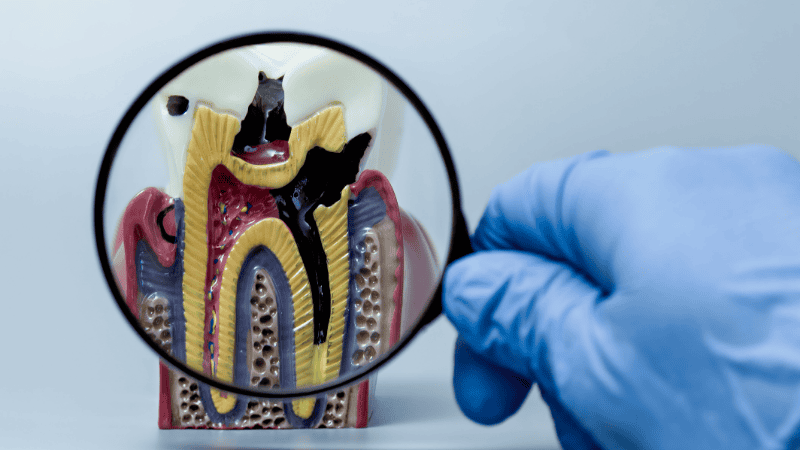
You feel sharp tooth pain, and your dentist gives you two choices: root canal or extraction. Both stop infection and ease pain, but they lead to very different outcomes for your mouth.
In most cases, a root canal is the better option because it removes infection while saving your natural tooth, while extraction removes the tooth and often requires a replacement.
A root canal cleans and seals the inside of your tooth so you can keep your bite stable. An extraction removes the tooth, which can leave a gap that may require an implant or bridge to prevent shifting.
The right choice between root canal vs tooth extraction depends on how damaged the tooth is, your overall oral health, cost, and long-term goals.
When you understand how each option affects healing, comfort, and future dental work, you can make a clear and confident decision.
Key Takeaways
- Saving your natural tooth often protects your bite and bone.
- Removing a tooth may require a replacement to avoid shifting.
- Your dentist helps you weigh damage, cost, and long-term impact.
Root Canal vs. Extraction: Understanding the Key Differences
When a tooth becomes infected or badly damaged, you usually face two choices: a root canal or an extraction. Each option treats pain and infection, but they differ in how they protect your long‑term oral health, cost, and recovery.
What Is a Root Canal?
A root canal treatment saves your natural tooth. Your dentist removes the infected pulp from inside the tooth, then cleans and seals the space to stop bacteria from coming back.
You keep the outer structure of your tooth. After treatment, your dentist often places a crown to protect it and restore strength.
Many dental groups explain that a root canal removes infection while preserving your natural tooth structure, which helps you avoid more complex replacement work later.
This is an important fact to remember, especially if you have heard the common myth about dental implant surgery being a simpler or always better alternative to saving your natural tooth.
A root canal usually takes one or two visits. Most people return to normal activity within a day.
What Is Tooth Extraction?
A tooth extraction removes the entire tooth from its socket in the bone. Your dentist may suggest this if the tooth is too damaged to repair.
The procedure stops infection and pain by removing the problem tooth. However, it leaves an empty space in your mouth.
That gap can cause nearby teeth to shift over time. Shifting teeth can affect your bite and make chewing harder.
After an extraction, you often need a replacement such as a bridge, denture, or implant. Replacement may require more visits and sometimes added procedures, like bone support treatment.
Extraction can feel more uncomfortable than a root canal because it involves removing the whole tooth.
Root Canal vs. Extraction: Goals and Outcomes
When you compare root canal vs extraction, the main difference is simple: one saves your tooth, and the other removes it.
Here is a clear side‑by‑side look:
| Root Canal | Extraction |
| Keeps your natural tooth | Removes the tooth completely |
| Often followed by a crown | Often followed by an implant, bridge, or denture |
| Helps maintain normal bite | May lead to shifting teeth if not replaced |
| Usually fewer long‑term changes to your smile | Can change alignment if space is not filled |
Your long‑term goal matters. If you want to keep your natural tooth and avoid replacement work, a root canal may support that plan.
If the tooth cannot be saved, extraction may be the safer choice. Your dentist will look at the level of damage, bone support, and infection before helping you decide.
Not sure whether to save or remove your tooth? Contact us today for a professional evaluation and clear guidance.
When to Choose Root Canal: Criteria and Considerations
You can often save a tooth if the damage stays inside the pulp and the outer structure remains stable. A root canal focuses on removing infection while keeping your natural tooth in place.
Signs an Infected Tooth Can Be Saved
You may still be a good candidate for a root canal procedure if most of your tooth structure is intact. Dentists look for enough healthy enamel and dentin to support a filling or crown after treatment.
Common signs include:
- Deep decay that has reached the pulp
- Ongoing tooth pain, especially with pressure or heat
- Swelling or tenderness near one tooth
- A cracked tooth that has not split below the gum line
If the infection stays inside the root and the surrounding bone remains stable, root canal therapy can often solve the problem. However,
if the tooth is broken beyond repair or damaged by severe gum disease, removal may be the only option.
Your dentist confirms this with X-rays. These images show whether the roots and bone can support tooth preservation.
Benefits of Root Canal Therapy
Root canal therapy removes the infected pulp, cleans the inner canals, and seals the space. This stops infection and relieves pain while allowing you to save a tooth.
Keeping your natural tooth helps you:
- Maintain normal chewing
- Prevent nearby teeth from shifting
- Avoid more complex replacement work
According to the American Association of Endodontists comparison of root canal vs extraction, saving the natural tooth often costs less than removing it and replacing it with a bridge or implant.
Tooth preservation also reduces the need for extra dental visits.
A treated tooth can last many years with proper care. Brushing, flossing, and regular checkups protect the restored tooth just like any other tooth.
Root Canal Procedure Explained
During a root canal procedure, your dentist numbs the area so you stay comfortable. Most patients report that it feels similar to getting a filling.
The steps usually include:
- Creating a small opening in the top of the tooth
- Removing the infected pulp from inside the canals
- Cleaning and disinfecting the inner space
- Filling and sealing the canals
Afterward, your dentist often places a crown to protect the tooth from fracture. This step is important if the tooth had deep decay or a cracked tooth.
You may feel mild soreness for a few days, but most people return to normal activity the next day. The goal is simple: remove infection, stop pain, and help you keep your natural tooth.
When Extraction Is Necessary: Factors for Removal
Sometimes you cannot save a tooth, even with a root canal. In those cases, removing the tooth protects your health and prevents more serious problems.
Situations Requiring Tooth Extraction
You may need a tooth extraction when a tooth is too damaged to repair. This often happens after deep decay, a large crack below the gum line, or trauma that splits the tooth in half.
A severely infected tooth may also require removal. If the infection spreads into the bone and a root canal cannot fully clean the area, extraction stops the spread and reduces pain.
Advanced gum disease is another common reason. When gum tissue and supporting bone break down, the tooth can become loose. If the bone loss is severe, saving the tooth may not be possible.
Dentists also remove teeth that cause crowding, especially before orthodontic treatment. In some cases, removing one problem tooth protects nearby healthy teeth.
Impacts of Extraction on Oral Health
When you remove a tooth, the empty space affects more than your smile. The jawbone in that area can begin to shrink, which leads to bone loss over time.
Nearby teeth may shift into the open space. This movement can change your bite alignment and make chewing less comfortable.
If you do not replace the missing tooth with an implant, bridge, or denture, these changes often become more noticeable. You may also find it harder to clean crowded areas, which raises your risk of decay and gum problems.
Many dental groups explain that while removal may cost less at first, replacing a missing tooth can add future expense. This comparison appears in discussions about root canal vs. tooth extraction options.
Tooth Extraction Procedure Overview
Your dentist starts with X-rays to check the roots and surrounding bone. This step helps plan a safe and controlled extraction.
You receive local anesthesia to numb the area. During a simple extraction, the dentist loosens the tooth and removes it with dental tools.
If the tooth is broken or below the gum line, you may need a surgical approach.
After removal, you receive clear instructions for aftercare. You bite on gauze to control bleeding and protect the clot that forms in the socket.
Protecting that clot lowers your risk of dry socket, a painful condition that happens when the clot comes out too soon. You should avoid smoking, using straws, or heavy rinsing for the first few days.
Most people return to normal activity within a short time, but full healing of the bone takes longer.
Comparing Recovery: Root Canal vs. Extraction Aftercare
Recovery time, pain level, and follow‑up care differ clearly between a root canal and an extraction. Knowing what to expect helps you protect your oral health and avoid problems like infection or dry socket.
Root Canal Recovery Timeline
Most root canal recovery periods are short and steady. You can often return to work or school the next day.
You may feel mild soreness or pressure for a few days. Over‑the‑counter pain medicine usually controls it. The area around the tooth can feel tender when you chew.
Your dentist will give clear aftercare instructions, such as:
- Avoid chewing on the treated side until a crown is placed
- Brush and floss gently but normally
- Take any prescribed antibiotics as directed
A permanent crown often goes on within a few weeks. This step protects the tooth from cracks and restores strength.
Because the dentist keeps your natural tooth in place, healing tends to be simple. Many experts note that root canals involve less discomfort and a quicker recovery than removal, as explained in this guide on comparing root canal vs extraction recovery.
Ready to make a decision? Book a dental appointment online in Inglewood, CA to discuss your options with an experienced dentist.
Extraction Recovery and Complications
Healing after an extraction usually takes longer. The gum and bone need time to close over the empty socket.
Right after the procedure, you will bite on gauze to stop bleeding. Swelling often peaks within two to three days. Full healing can take two weeks or more.
One main risk is dry socket. This happens when the blood clot in the socket comes loose or dissolves too early. It exposes the bone and causes strong pain.
To lower your risk:
- Do not use straws for several days
- Avoid smoking
- Stick to soft foods
- Rinse gently, not forcefully
Dental groups explain that extractions often involve more discomfort than root canals and may require tooth replacement later.
Managing Discomfort and Risks
You play a key role in healing after either treatment. Follow your dentist’s aftercare instructions closely.
For both procedures, use cold packs during the first 24 hours to reduce swelling. Eat soft foods like yogurt, eggs, and soup. Drink water, but avoid very hot drinks at first.
Call your dentist if you notice:
- Fever
- Worsening pain after a few days
- Swelling that spreads
- A bad taste that does not go away
With a root canal, pain that increases instead of improves may signal infection. After an extraction, sharp, throbbing pain can point to dry socket.
Quick action protects your oral health and prevents small problems from turning into larger ones.
Long-Term Effects and Tooth Replacement Options
Your choice affects your jawbone, nearby teeth, and how your smile looks years from now. You need to think about bone preservation, future dental work, and how well your mouth will function day to day.

Bone Preservation and Loss
When you keep your natural tooth with a root canal, the root stays in place. That root continues to stimulate your jawbone when you chew. This support helps with bone preservation and lowers the risk of bone resorption.
If you remove the tooth, the bone in that area no longer gets pressure from chewing. Over time, the body begins bone resorption, which means the bone shrinks.
This can change your bite and even the shape of your face.
A dental implant can reduce this problem. The implant post sits in the jawbone and acts like a tooth root.
Many dentists explain in this guide on replacement options after extraction that planning early helps protect bone and spacing.
If you leave the space empty, bone loss often continues. That makes future treatment more complex and sometimes more expensive.
Tooth Replacement Methods
After an extraction, you have several tooth replacement options. Each one has different costs, care needs, and long-term effects.
Common choices include:
- Dental implant: A metal post placed in the jawbone with a crown on top. It feels stable and does not rely on nearby teeth.
- Bridge: A false tooth supported by crowns on the teeth next to the gap.
- Partial denture: A removable appliance that replaces one or more missing teeth.
- Full dentures: Used when all teeth in an arch are missing.
A dental implant often provides the most natural feel because it replaces both the root and the crown. A partial denture costs less at first but may feel less secure.
Some dentists note in this comparison of root canal vs tooth extraction long-term impacts that replacement planning should happen right away. Waiting can lead to shifting teeth and added treatment later.
Aesthetic and Functional Outcomes
Your teeth do more than fill space. They help you chew, speak clearly, and keep your bite aligned.
When you save your natural tooth, you keep your original chewing pattern. The crown placed after a root canal blends with your other teeth and helps maintain normal function.
If you choose extraction, the final result depends on the replacement. A dental implant usually looks and feels close to a natural tooth.
Dentures and partial dentures can restore appearance, but they may move slightly during eating or talking.
Missing teeth without replacement often lead to drifting teeth and bite problems.
Many dentists explain in this review of long-term tooth health with root canal vs extraction that alignment and jaw health play a major role in comfort over time.
When you weigh your options, think about how you want your mouth to function five or ten years from now, not just today.
How Dentists Help Decide: Factors to Weigh With Your Provider
Your dentist does not guess when choosing between a root canal and an extraction. You review clear clinical findings, long-term function, cost, and the impact of each option on your oral health.

Evaluating Tooth Structure and Prognosis
Your dentist first checks if your tooth is restorable. X‑rays show how much healthy structure remains and whether tooth decay has reached the pulp or bone.
If the crown and roots stay strong, a root canal can remove infection and keep your natural tooth in place. Many dentists prefer saving the tooth when possible because it protects your bite and jawbone.
However, deep cracks below the gum line, severe bone loss, or decay that destroys most of the tooth may lower the success rate. In those cases, extraction may give you a more predictable result.
Your dentist also looks at gum health. Healthy bone and stable gums support long-term success after either treatment.
Cost, Convenience, and Longevity
You should weigh short-term cost against long-term value. An extraction often costs less at first.
But removing a tooth usually leads to replacement, such as an implant or bridge. That adds time, healing, and expense.
A root canal may take one or two visits. After that, you often need a crown to protect the treated tooth. With proper dental care, many treated teeth last for years.
The choice also affects daily life. Extraction may feel quicker, but replacement can extend treatment for months.
Ask your provider to outline:
- Total estimated cost
- Number of visits
- Healing time
- Expected lifespan of the result
Clear numbers help you plan.
Making an Informed Decision
You play an active role in this choice. Share your symptoms, pain level, and goals for your oral health.
If you want to keep your natural teeth whenever possible, tell your dentist. If you prefer the fastest path to relief, discuss that too.
Your provider should explain:
- The condition of the tooth
- The success rate of each option
- Risks such as infection or future fracture
- How the decision affects nearby teeth
When the tooth structure supports it, many clinicians view root canal treatment as the more conservative option.
If damage runs too deep, extraction may protect you from repeated problems. You make the best decision when you understand the facts and feel comfortable with the plan.
Protect your smile for years to come. Visit our clinic in Inglewood, CA to learn which treatment is right for your long-term oral health.
Frequently Asked Questions
Choosing between a root canal and an extraction affects your pain level, cost, recovery time, and long‑term oral health.
The right option depends on the tooth’s condition, its location, and whether it can still function well after treatment.
What are the benefits and downsides of choosing a root canal over tooth extraction?
A root canal lets you keep your natural tooth. During the procedure, your dentist removes infected pulp, cleans the inside, and seals it to stop infection.
Keeping your tooth helps you chew normally and prevents nearby teeth from shifting. Many dentists prefer saving the tooth when possible.
The downsides include the need for a crown in many cases, which adds cost. If the tooth is badly damaged or cracked below the gum line, a root canal may not succeed.
Extraction removes the problem tooth completely. However, you may need an implant or bridge later to fill the space, which adds time and expense.
Which is generally more painful, a tooth extraction or a root canal procedure?
Both procedures use local anesthesia, so you should not feel sharp pain during treatment.
Many people expect a root canal to hurt, but it often feels similar to getting a filling.
Some dental experts note that an extraction can be more uncomfortable afterward because it is a larger procedure that removes the entire tooth.
After an extraction, you may feel soreness in the jaw and gum for several days. A root canal usually causes mild soreness that improves within a few days.
Your pain level also depends on how severe the infection was before treatment.
How does the decision between root canal and extraction change for a back molar?
Back molars handle most of your chewing force. If you remove one and do not replace it, nearby teeth can shift and affect your bite.
Saving a molar with a root canal often helps you keep normal chewing strength. Dentists look at how much healthy tooth structure remains and whether a crown can protect it long term.
If the molar is severely broken or has major bone loss, extraction may be the safer choice. In that case, your dentist may discuss an implant to restore chewing function.
Is a root canal or tooth extraction better for a cracked tooth?
It depends on how deep the crack goes.
If the crack affects the pulp but the root and surrounding bone are stable, a root canal can remove infection and allow you to keep the tooth.
A crown usually covers the tooth afterward to reduce the risk of further damage.
If the crack extends below the gum line or splits the tooth in two, extraction is often necessary. A tooth fractured beyond repair cannot support a long‑term restoration.
Your dentist may use X‑rays and special tests to check how far the crack spreads.
What should be considered when deciding between root canal and extraction for a wisdom tooth?
Wisdom teeth often sit far back in your mouth and can be hard to clean. Some do not fully erupt or grow at an angle.
If a wisdom tooth has enough space and lines up well, a root canal may save it. However, many wisdom teeth have limited function in chewing.
Extraction is common when the tooth is impacted, hard to reach, or likely to cause repeat infections. You should also consider how difficult it will be to restore the tooth with a crown in that location.
How can second molar treatments differ between root canal and extraction options?
Second molars play a key role in grinding food. Losing one can reduce chewing efficiency on that side of your mouth.
A root canal on a second molar can preserve that chewing surface if enough healthy structure remains. Because these teeth have multiple roots and canals, treatment may be more complex.
If extraction becomes necessary, you should think about replacement options. Leaving the space empty can allow nearby teeth to shift and change your bite over time.