


When most of us think about keeping our teeth clean, we think about brushing, flossing, and using a high-quality mouthwash. Having a healthy smile goes far beyond these steps. Professional cleanings play a major factor in keeping your oral health and overall wellness in check, especially as you age. If your dentist has recommended a deep cleaning, it can have significant benefits long-term. Below is an overview of the dental cleaning types and how the professionals at New Image Dental in Inglewood, CA, can support your oral health.
Understanding Dental Cleaning Basics
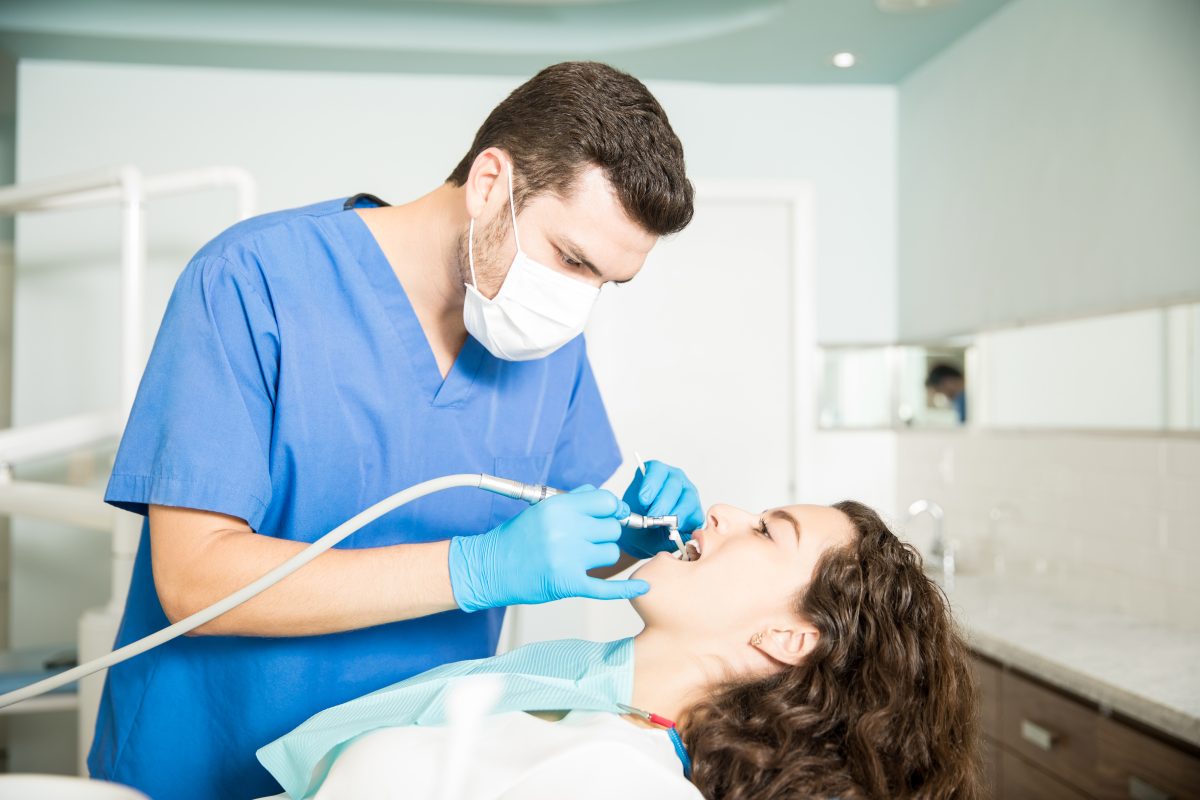
Routine dental cleanings are what most of us think about when we have an appointment with our dental provider. Most healthy adults over 18 visit a dentist twice a year to remove plaque and tartar buildup that brushing alone can’t handle. It’s one of the most effective ways to prevent cavities and inflammation that can occur even with good dental habits. Standard cleanings involve a hygienist who uses special tools to remove tartar and plaque buildup. At least once a year, you should also have a full dental examination with the dentist to determine if further treatments might be needed. Between appointments, it’s also recommended to follow good oral hygiene practices, use a quality toothbrush, and eat/drink foods that impact your teeth and gums positively.
Different Dental Cleaning Types
There are different “levels” of dental cleaning that are needed depending on the current health of your teeth and gums. They serve different purposes, but the overall goal is to enhance your oral health.
-
- Prophylaxis (Regular Cleaning) – For patients with healthy gums and minimal buildup. This is generally done every six months (about twice a year).
- Scaling and Root Planing (Deep Cleaning)– This type of cleaning is necessary if you’re showing signs of periodontal disease, which is common. It often doesn’t have early warning symptoms, and you can see the value of regular appointments.
- Periodontal Maintenance – Follow-up cleanings after a deep cleaning to maintain gum health.
Our dentist will recommend the right cleaning based on the condition of your gums and the level of tartar below the gumline.
What Is A Deep Dental Cleaning?
Scaling and root planing are designed to go further than the surface of your teeth. Think of a regular cleaning as one that targets the visible part of the teeth. Conversely, deep cleaning reaches below the gumline to remove bacteria and hardened tartar from the tooth roots. This procedure is recommended by dentists who believe you’re a risk of periodontal disease or as a treatment for it. Periodontal disease can become a major problem for your oral health because plaque buildup causes your gums to pull away from your teeth, forming deep pockets where bacteria thrive.
Dentists often recommend this treatment for advanced periodontal disease, which has noticeable symptoms. If you have any of these symptoms below, you’ll most likely be a candidate for deep dental cleaning:
- Bleeding gums when brushing or flossing
- Chronic bad breath that doesn’t go away with regular hygiene
- Swollen or tender gums
- Gum recession or teeth that appear longer
- Loose teeth or shifting bite alignment
Without treatment, it can lead to bone loss and eventually tooth loss. Deep cleaning at our office in Inglewood, CA, helps stop the infection’s progression by removing bacteria and allowing your gums to heal and reattach to the teeth.
Comparing Regular vs. Deep Cleanings
Understanding these dental cleaning types in more detail can give you a better idea of what to expect regarding treatment.
Purpose
Regular cleaning has the goal to prevent plaque and tartar buildup and also remove bacteria/plaque that is missed by regular cleanings. Deep cleaning is primarily used to treat and prevent gum disease.
Areas Treated
Regular cleanings are primarily for above the gumline. The treatment can be thorough, but not as detailed as deep cleanings. A deep cleaning is below the gumline, including tooth roots.
Time Requirements
Standard, routine cleanings are usually only about 30 to 45 minutes max. A deep cleaning is more involved, which can take up to 90 minutes or two hours.
Key Benefits
Regular cleanings are the foundation of a healthy smile. A deep cleaning is one of the primary ways to prevent or treat advanced gum disease.
What to Expect After a Deep Cleaning
Deep cleanings are more involved, and you should expect some discomfort in the teeth and gums for several days following the procedure. You’ll likely be asked to return in a few weeks for a follow-up visit to measure pocket depths and ensure your gums are reattaching properly. It’s also recommended to follow the same dental hygiene practices at home as you normally would to prevent any further formation of gum disease.
Keeping Your Smile Healthy with New Image Dental in Inglewood, CA
Your health and comfort are our top priority at New Image Dental. No matter which dental cleaning type you require, we ensure you’ll have world-class treatment at our modern practice in Inglewood, CA. Regular checkups and professional cleanings are key to preventing gum disease and keeping your smile bright for years to come. Book your appointment today!