



Dental implants offer a long-lasting solution for missing teeth, but they’re not right for everyone. Certain medical conditions, oral health issues, lifestyle habits, and medications can make you unsuitable for dental implants, either temporarily or permanently.
Understanding these factors helps you know whether you’re a good candidate before starting the process.
Your overall health plays a big role in whether dental implants will work for you. Conditions like uncontrolled diabetes, active gum disease, insufficient jawbone density, and certain medications can affect how well implants heal and integrate with your jaw.
Lifestyle choices matter too, especially smoking and heavy alcohol use.
The good news is that many disqualifying factors can be addressed. Working with your dentist to improve your oral health, manage medical conditions, or explore bone grafting options may make you eligible for implants down the road.
This guide walks you through the specific reasons why someone might not qualify and what alternatives exist.
Key Takeaways
- Medical conditions like uncontrolled diabetes, heart disease, and immunodeficiency disorders can prevent successful dental implant placement
- Poor oral health including gum disease, tooth decay, and insufficient bone density must be treated before getting implants
- Lifestyle habits such as smoking and heavy alcohol consumption significantly increase the risk of implant failure
Schedule your dental implant candidacy consultation today at New Image Dental in Inglewood, CA.
Fundamental Requirements for Dental Implant Candidacy
Three main factors determine whether you can receive dental implants: adequate jawbone to support the implant, healthy gums free from active disease, and a treatment plan that protects the implant from excessive force during chewing.
Jawbone Density and Volume
Your jawbone needs enough density and volume to hold a dental implant securely in place. When you lose a tooth, the bone that once supported it begins to shrink over time. This process can leave insufficient bone density for successful implant placement.
Your dentist uses 3D imaging to measure your jawbone and check if you have enough bone. The imaging shows the exact height, width, and quality of bone available. If your bone is too thin or short, the implant may not achieve primary stability during surgery.
Bone grafting can often solve this problem. This procedure adds bone material to areas where volume is lacking. After bone grafting heals over several months, you may become eligible for dental implants.
The new bone integrates with your existing jawbone and creates a solid foundation for the implant.
Some people experience severe bone loss from long-term tooth loss, gum disease, or trauma. In these cases, your dentist may recommend alternative implant techniques or different tooth replacement options.
Healthy Gum Tissue
You need healthy gums for dental implants to succeed long-term. Periodontal disease creates inflammation and bacterial infection around your teeth and gums. These same bacteria can attack the tissue surrounding your implant after placement.
Active gum disease must be treated before you can receive implants. Your dentist will perform periodontal therapy to eliminate infection and restore gum health. This treatment may include deep cleaning, antibiotics, or gum surgery depending on disease severity.
Healthy gum tissue supports osseointegration, which is the process where your jawbone fuses to the titanium implant. Inflamed or infected gums interfere with this integration and increase your risk of implant failure.
Even after your implant heals, poor gum health can lead to peri-implantitis, a condition similar to gum disease that destroys bone around the implant.
Your dentist evaluates your gum tissue during your consultation and creates a treatment plan to address any issues before implant surgery.
Prosthetic Planning and Occlusion
Your dentist must plan how the implant crown will fit with your bite and surrounding teeth. Poor occlusion means your teeth don’t come together properly when you chew. This creates uneven pressure that can damage your implant over time.
Excessive biting forces from habits like teeth grinding can loosen implant screws or crack the restoration. Your dentist checks your bite pattern and jaw movement during planning. They position the implant to distribute chewing forces evenly across your dental arch.
The final restoration needs to be cleanable around all surfaces. Implant stability depends partly on keeping bacteria away from the implant-gum interface. Your dentist designs the crown shape and contours so you can brush and floss effectively around it.
If you grind your teeth at night, your dentist may recommend a nightguard to protect your implants. Proper prosthetic planning ensures your implant can handle normal chewing without mechanical problems.
Visit New Image Dental in Inglewood, CA to find out if you qualify for dental implants.
Common Medical Conditions Affecting Dental Implant Eligibility
Your medical history plays a major role in determining whether dental implants will work safely for you. Certain health conditions can slow healing, weaken bone, or increase infection risk during and after implant surgery.
Uncontrolled Diabetes and Blood Sugar Issues
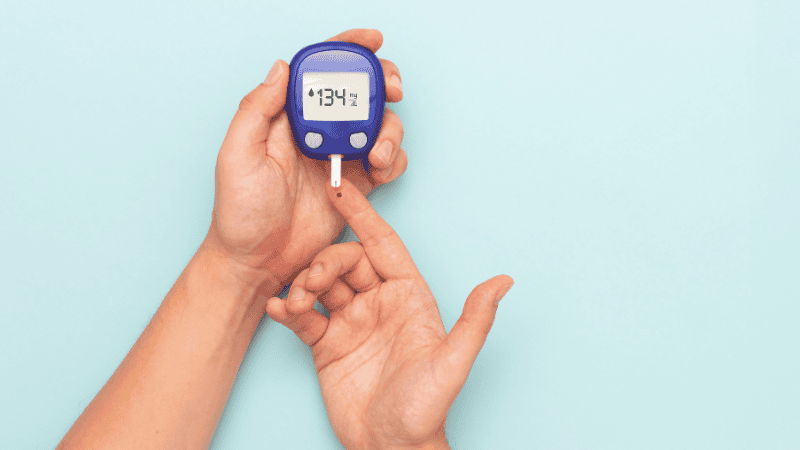
If you have uncontrolled diabetes, your body faces challenges that make dental implant success harder to achieve. High blood sugar levels reduce blood flow to your gums and bone, which slows down healing after implant surgery.
Your immune system also works less effectively when glucose levels stay elevated, raising your infection risk.
The good news is that controlled diabetes doesn’t automatically rule you out. Many people with well-managed blood sugar levels successfully receive dental implants. Your dentist will likely check your HbA1c levels before moving forward.
If your numbers are too high, you’ll need to work with your doctor to bring them down first.
During your dental implant consultation, be honest about your diabetes management. Your dentist can create a personalized treatment plan that includes extra monitoring, possible antibiotic protection, and closer follow-up visits to support healing.
Cardiovascular Disease and Recent Heart Events
Your heart health directly affects your dental implant eligibility. If you’ve had a recent heart attack, stroke, or major cardiac surgery, your dentist will typically recommend waiting before scheduling implant surgery. Your body needs time to stabilize and recover.
Certain heart medications, especially anticoagulants like warfarin or newer blood thinners, increase bleeding during and after procedures. You should never stop these medications on your own.
Your dentist and cardiologist will work together to create a safe plan that protects both your heart and your surgical site.
Conditions like uncontrolled high blood pressure or unstable angina may also delay treatment. Your dental team needs to know about any cardiovascular disease that could impact your procedure.
Once your heart condition is stable and your medical team approves, implants often become a viable option.
Autoimmune Disorders and Immune System Issues
Autoimmune disorders like lupus, rheumatoid arthritis, and Sjögren’s syndrome change how your body responds to implants. These conditions cause your immune system to attack your own tissues, which can interfere with the bone integration process that makes implants stable.
The medications you take for autoimmune disease also matter. Immunosuppressive drugs and biologics help control your condition but may slow wound healing or raise infection risk. Your rheumatologist and dentist need to coordinate timing around your medication schedule.
Many people with stable autoimmune conditions still qualify for implants. The key is disease control and careful planning. Your team may adjust your medication timing, prescribe preventive antibiotics, or schedule more frequent check-ups.
Each case is different, so a thorough evaluation of your specific autoimmune disorder and treatment regimen is essential.
Osteoporosis and Bone-Related Diseases
Osteoporosis weakens your bones throughout your body, including your jaw. While the condition itself doesn’t automatically disqualify you, it does require extra attention. Your jawbone needs enough strength to hold the implant post securely while new bone grows around it.
The bigger concern involves osteoporosis medications. Bisphosphonates and other bone-strengthening drugs can rarely lead to jaw bone death when combined with dental surgery.
If you take these medications (especially through IV infusions) your dentist will assess your risk carefully based on how long you’ve been on the drug and the dosage.
Many patients with osteoporosis successfully receive dental implants when bone density is adequate. Your dentist may order special imaging to evaluate your jaw bone quality.
Sometimes bone grafting procedures can strengthen weak areas before implant placement. Working with your medical doctor to review your bone health medications helps your dental team minimize risks and create the safest path forward.
Schedule a consultation today to determine your dental implant candidacy.
Oral Health Issues That May Disqualify Candidates
Your mouth needs to be healthy before you can get dental implants. Problems like gum disease, poor cleaning habits, and bone loss can prevent implants from working properly or cause them to fail.
Active Periodontal Disease (Gum Disease)
If you have active periodontal disease, you’ll need treatment before getting implants. Periodontal disease is an infection that damages the gums and bone supporting your teeth.
Periodontitis creates an environment full of harmful bacteria. These bacteria can spread to your implant site and cause infections. The disease weakens the bone structure that would normally hold your implant in place.
Your dentist will look for signs like:
- Red or swollen gums
- Bleeding when you brush or floss
- Loose teeth
- Bad breath that won’t go away
- Gums pulling away from your teeth
You must treat periodontal disease first. This might involve deep cleaning procedures called scaling and root planing. Some cases need surgery to remove infected tissue. Once your gums are healthy again, your dentist can consider implants.
Poor Oral Hygiene Habits
Poor oral hygiene puts you at high risk for implant failure. Implants need the same daily care as natural teeth.
If you don’t brush twice daily and floss regularly, plaque builds up around the implant. This leads to peri-implantitis, which is basically gum disease that affects implants. Peri-implantitis causes the bone around your implant to break down.
Your dentist needs to see a commitment to oral care before approving implants. You’ll also need regular dental checkups after getting implants. Without proper cleaning, bacteria multiply and cause inflammation that can make your implant fail.
Think of it this way: if you haven’t taken care of your natural teeth, an implant won’t last either. You need to prove you can maintain good oral health habits.
Severe Tooth Loss and Jawbone Loss
When you lose teeth, your jawbone starts to shrink. This process is called bone resorption. Insufficient jawbone density means there’s not enough bone to support an implant.
Your jawbone needs both adequate height and width. The implant post must anchor securely into solid bone. If too much bone has disappeared, the implant won’t stay stable.
Several factors cause jawbone loss:
- Missing teeth for a long time
- Untreated gum disease
- Natural aging
- Dentures that rub against the bone
Bone grafting might help if you don’t have enough bone. This procedure adds bone material to your jaw before implant placement. However, not everyone can have bone grafting. Some people prefer alternative treatments like dentures or bridges instead.
Your dentist will take X-rays or CT scans to measure your bone density. These images show whether your jaw can support implants or if you need additional procedures first.
Medications and Treatments That May Prevent Dental Implant Success
Certain medications alter how your body heals, changes your bone structure, or increases bleeding risk during implant surgery. Understanding which drugs may affect your candidacy helps you work with your dentist and doctor to adjust timing or find safer alternatives.
Bisphosphonates and Osteoporosis Medications
Bisphosphonates treat osteoporosis by slowing bone breakdown, but they can interfere with the bone remodeling your body needs for implant integration. These drugs stay in your bone tissue for years, even after you stop taking them.
The main concern is a rare but serious condition where jawbone tissue dies after dental procedures. Intravenous bisphosphonates carry higher risk than oral pills. If you take weekly or monthly oral bisphosphonates for osteoporosis, your risk remains relatively low.
Your dentist will ask how long you’ve been on these medications and which type you use. Dental planning requires medical consultation when bisphosphonates are involved.
Your doctors may recommend a temporary pause in medication before surgery, though this decision depends on your fracture risk and overall bone health.
Other bone medications like denosumab (Prolia) work differently but raise similar concerns. Always tell your implant team about any osteoporosis treatments you’ve received.
Chemotherapy and Head & Neck Radiation
Chemotherapy temporarily weakens your immune system, making infection more likely and slowing wound healing. Most dentists wait until your treatment is complete and your blood counts recover before placing implants.
Radiation therapy to your head or neck creates more lasting problems. The radiation damages blood vessels in your jawbone, reducing blood flow permanently.
This puts you at risk for osteoradionecrosis, where bone tissue breaks down and won’t heal properly.
Recent head and neck radiation therapy often makes standard implants too risky. The radiation dose, which bones were in the treatment field, and how long ago you finished therapy all affect your candidacy.
Some patients benefit from hyperbaric oxygen therapy before and after implant surgery. This treatment delivers pure oxygen in a pressurized chamber to improve blood flow to damaged tissue. Your implant team may also recommend removable dentures as a safer option if radiation damage is severe.
Long-term Corticosteroid Use
Corticosteroids like prednisone reduce inflammation but also suppress your immune response and slow bone formation. If you take high doses daily for conditions like severe asthma or lupus, your body may struggle to integrate implants properly.
These drugs affect the cells that build new bone around your implant. They also make infections more likely because they dampen your natural defenses.
Your risk depends on your dose and how long you’ve been taking steroids. Short courses for acute problems rarely cause issues. But months or years of daily use requires careful planning with both your medical doctor and dentist.
Immunosuppressive therapy needs case-by-case evaluation. Your doctors may adjust your steroid dose around surgery time or add preventive antibiotics. Many patients on steady corticosteroid regimens still qualify for implants with the right precautions.
Blood Thinners and Bleeding Complications
Anticoagulants like warfarin, Eliquis, or aspirin prevent dangerous blood clots, but they increase bleeding during implant surgery. Excessive bleeding makes surgery harder and can prevent proper healing.
Bleeding disorders like hemophilia create similar challenges. Your blood may not clot fast enough to stop surgical bleeding or form the stable clot your bone needs to heal around the implant.
Your dentist and prescribing doctor must coordinate before surgery. Medical management and possible temporary modification happens under physician guidance. Stopping blood thinners carries its own risks, like stroke or heart attack, so any changes require careful medical oversight.
Some surgical techniques minimize bleeding risk. Your implant team may also schedule extra monitoring appointments right after surgery. Many patients on blood thinners successfully receive implants when their medical and dental teams work together on a safe plan.
Lifestyle Factors That Influence Dental Implant Candidacy
Your daily habits play a big role in whether dental implants will work for you. Tobacco use reduces blood flow to your gums, heavy drinking slows healing, and grinding your teeth can damage implants after they’re placed.

Smoking and Tobacco Use
Smoking and tobacco use are among the biggest threats to dental implant success. When you smoke, nicotine causes your blood vessels to narrow. This cuts oxygen and nutrients to your gums and jawbone right when they need blood flow most for healing.
Studies show smokers face two to three times higher implant failure rates than non-smokers. The impact of smoking on dental implant healing disrupts the bone integration process that holds your implant in place.
Tobacco also weakens your immune system, making infections more likely.
Most dentists require smoking cessation before they’ll place implants. You’ll typically need to quit at least two weeks before surgery and stay tobacco-free during the healing period.
Many practices connect patients with cessation programs to help them quit. If you can’t or won’t stop smoking, your dentist may suggest removable dentures instead since they carry less risk.
Heavy Alcohol Consumption
Heavy alcohol consumption interferes with your body’s ability to heal and build new bone around implants. Alcohol affects how your liver processes medications and reduces your immune response. This makes post-surgery complications more common.
Drinking too much also tends to go hand-in-hand with poor nutrition. Your body needs vitamins and minerals like calcium and vitamin D for implant integration. Alcohol can deplete these nutrients and prevent proper bone formation around the titanium post.
If you drink heavily, your dentist will likely ask you to cut back significantly before surgery. You’ll need to avoid alcohol completely for at least a few days before and after implant placement. Being honest about your drinking habits helps your dental team plan the safest approach for you.
Teeth Grinding (Bruxism) and Jaw Clenching
Bruxism puts extreme pressure on dental implants that can threaten implant stability over time. When you grind or clench your teeth, you create forces much stronger than normal chewing. These repetitive loads can loosen the implant, crack the crown, or cause bone loss around the post.
Your dentist will check for signs of teeth grinding like worn enamel and jaw muscle soreness. If you have bruxism, you’re not automatically ruled out for implants. However, your treatment plan will need extra protection steps.
A nightguard is usually required to shield your implants while you sleep. This custom-fitted guard absorbs grinding forces before they reach your implants.
Your dentist may also adjust your occlusion so your bite distributes pressure more evenly. Some patients benefit from stress management techniques since anxiety often triggers clenching.
With proper management through nightguards and occlusal adjustments, people with bruxism can still achieve successful dental implant outcomes.
Other Reasons for Ineligibility and Alternative Tooth Replacement Options
Beyond medical conditions and lifestyle habits, some people face ineligibility due to bone structure issues, age-related jaw development, or unwillingness to maintain proper follow-up care.
When dental implant procedures aren’t possible, several effective alternatives can restore your smile.
Insufficient Jawbone with No Grafting Solutions
Your jawbone needs enough density and volume to support an implant. When you lose teeth, the jawbone in that area starts to shrink because it’s no longer being stimulated by tooth roots.
Many people with insufficient jawbone can still get implants through bone grafting procedures. These add material to strengthen weak areas. However, some patients have such severe bone loss that even grafting won’t work.
Certain conditions make bone grafting impossible or unlikely to succeed. If you’ve had radiation therapy to your jaw, your bone may not heal well enough to accept grafts. Some people’s bodies reject grafting materials repeatedly.
Factors that can disqualify individuals from implants include extreme bone deterioration in the upper jaw near the sinuses. When there’s simply not enough healthy bone structure to work with, your implant dentist will recommend other tooth replacement options instead.
Age and Jaw Development in Younger Patients
Children and teenagers generally cannot get dental implants. Their jawbones are still growing and developing until their late teens or early twenties.
Placing an implant in a growing jaw creates problems. As the jaw continues to develop, the implant stays in its original position. This causes misalignment and can affect facial development.
Dentists typically wait until jaw growth is complete before considering implants. For girls, this usually happens around age 18. For boys, it may take until age 21.
Young patients who lose teeth need temporary tooth replacement solutions until they’re old enough for implants. Removable partial dentures work well for this purpose. They can be adjusted as the jaw grows and doesn’t interfere with development.
Lack of Commitment to Follow-Up Care
Dental implants require serious dedication to oral hygiene and regular dental visits. You need to brush twice daily, floss carefully around implants, and see your dentist for checkups every six months.
Without proper care, implants can fail. Bacteria can build up around the implant and cause infections. This leads to bone loss and eventual implant failure.
Some patients struggle to maintain this level of commitment. If you have a history of missing dental appointments or poor oral hygiene, your dentist may determine you’re not ready for implants.
The investment in dental implants is significant. Dentists want to ensure the procedure will succeed long-term before moving forward. Proving you can stick to a strict care routine is essential.
Tooth Replacement Alternatives
When implants aren’t possible, effective alternatives exist based on individual needs. Each option has different benefits depending on how many teeth you’re replacing.
Dental bridges connect artificial teeth to your natural teeth on either side of the gap. They’re permanently cemented in place and don’t require surgery. Bridges work well for replacing one to three consecutive teeth.
Removable partial dentures replace multiple missing teeth in different areas of your mouth. They clip onto remaining natural teeth and can be taken out for cleaning. These cost less than bridges but may feel less stable.
Full dentures replace all teeth in your upper or lower jaw. Traditional dentures rest on your gums and stay in place through suction and adhesive. They’re the most affordable tooth replacement option but require adjustment time.
| Option | Best For | Removable |
| Dental Bridges | 1-3 consecutive teeth | No |
| Partial Dentures | Multiple scattered teeth | Yes |
| Full Dentures | All upper or lower teeth | Yes |
Each alternative provides functional tooth replacement to help you eat and speak normally. Your dentist will discuss which option fits your specific situation best.
Frequently Asked Questions
Several medical conditions, lifestyle choices, and oral health factors can affect whether dental implants will work for you. Bone density and certain medications also play important roles in determining if you’re a good candidate.
Hey there, can you tell me what health conditions might prevent someone from getting dental implants?
Uncontrolled diabetes is one of the main health conditions that can complicate dental implant success. When your blood sugar levels aren’t well managed, your body has trouble healing wounds and fighting infections.
Autoimmune diseases like rheumatoid arthritis or lupus can also create challenges. These conditions often require medications that weaken your immune system, which may slow down healing after implant surgery.
If you’ve had recent radiation therapy to your head or neck, you might not be a candidate right away. Radiation reduces blood flow to your jawbone and increases the risk of complications.
Certain bleeding disorders or taking blood thinners can make surgery riskier. Your dentist will need to work with your doctor to manage these medications safely.
What about age – is there a cut-off point where someone is considered too old for dental implants?
There’s no upper age limit for dental implants if you’re in good health. Many older adults successfully get implants as long as their medical conditions are under control.
The main concern with age relates to younger people, not older ones. Teenagers and young adults under 18 usually need to wait because their jaws are still growing.
Placing implants before your jaw stops developing can cause problems later. The implant stays in place while your bone continues to grow around it, which can lead to misalignment.
Your overall health matters much more than your actual age. As long as you can handle the surgery and keep up with oral hygiene, age alone won’t disqualify you.
I’m curious, does having certain habits, like smoking, rule you out as a candidate for dental implants?
Smoking is a major risk factor for implant failure because it reduces blood flow to your gums and bone. This makes it harder for your body to heal and for the implant to bond with your jawbone.
You don’t have to be ruled out completely if you smoke, but you’ll need to quit before surgery. Most dentists recommend stopping tobacco use several weeks before and after the procedure.
Heavy smokers face higher rates of infection and complications. The more you smoke, the greater your risk of the implant not taking hold properly.
Teeth grinding or clenching, called bruxism, can also cause problems. The constant pressure can loosen implants or break the artificial teeth attached to them.
A nightguard can help protect your implants if you grind your teeth.
Could you list any medications or treatments that might interfere with the success of dental implants?
Bisphosphonates used to treat osteoporosis can affect your jawbone’s ability to heal. These medications change how your bone rebuilds itself, which may increase complications.
Immunosuppressive drugs taken after organ transplants or for autoimmune conditions can slow healing. Your dentist will need to coordinate with your doctor about timing these medications around surgery.
Steroids taken long-term can weaken your immune system and bones. This doesn’t always rule out implants, but it requires careful planning.
Chemotherapy can temporarily suppress your immune function, making you more prone to infections. Most dentists wait until your treatment is complete and your body has recovered.
Blood thinners like warfarin need special management during surgery. Your doctor may adjust your dose temporarily to reduce bleeding risk.
Is ongoing dental issues a stop sign for considering dental implants?
Active gum disease is a major reason to delay implants. Periodontal disease increases your risk of peri-implantitis, which is inflammation around the implant that can cause it to fail.
You’ll need to get your gums healthy before moving forward with implants. This usually means deep cleanings, better oral hygiene at home, and sometimes gum surgery.
Untreated tooth decay in other teeth can spread bacteria. Your dentist will want to address cavities and infections first.
Poor oral hygiene creates conditions where implants struggle to survive. You need to show you can keep your mouth clean before getting implants and maintain that care afterward.
Just wondering, how does the amount of available jawbone affect eligibility for dental implants?
Jawbone density determines whether an implant can achieve the stability it needs to fuse with your bone. Without enough bone, the implant won’t have a solid foundation.
When you lose teeth, your jawbone starts to shrink over time. The longer you’ve been missing teeth, the more bone loss you might have.
Low bone volume doesn’t automatically disqualify you. Bone grafting procedures can rebuild your jawbone to create enough support for implants.
Your dentist uses 3D imaging to measure your bone and plan the best approach. Ridge augmentation or sinus lifts are common procedures that add bone where you need it.
These bone-building procedures take time to heal before implants can be placed. You might wait several months for the new bone to become strong enough.